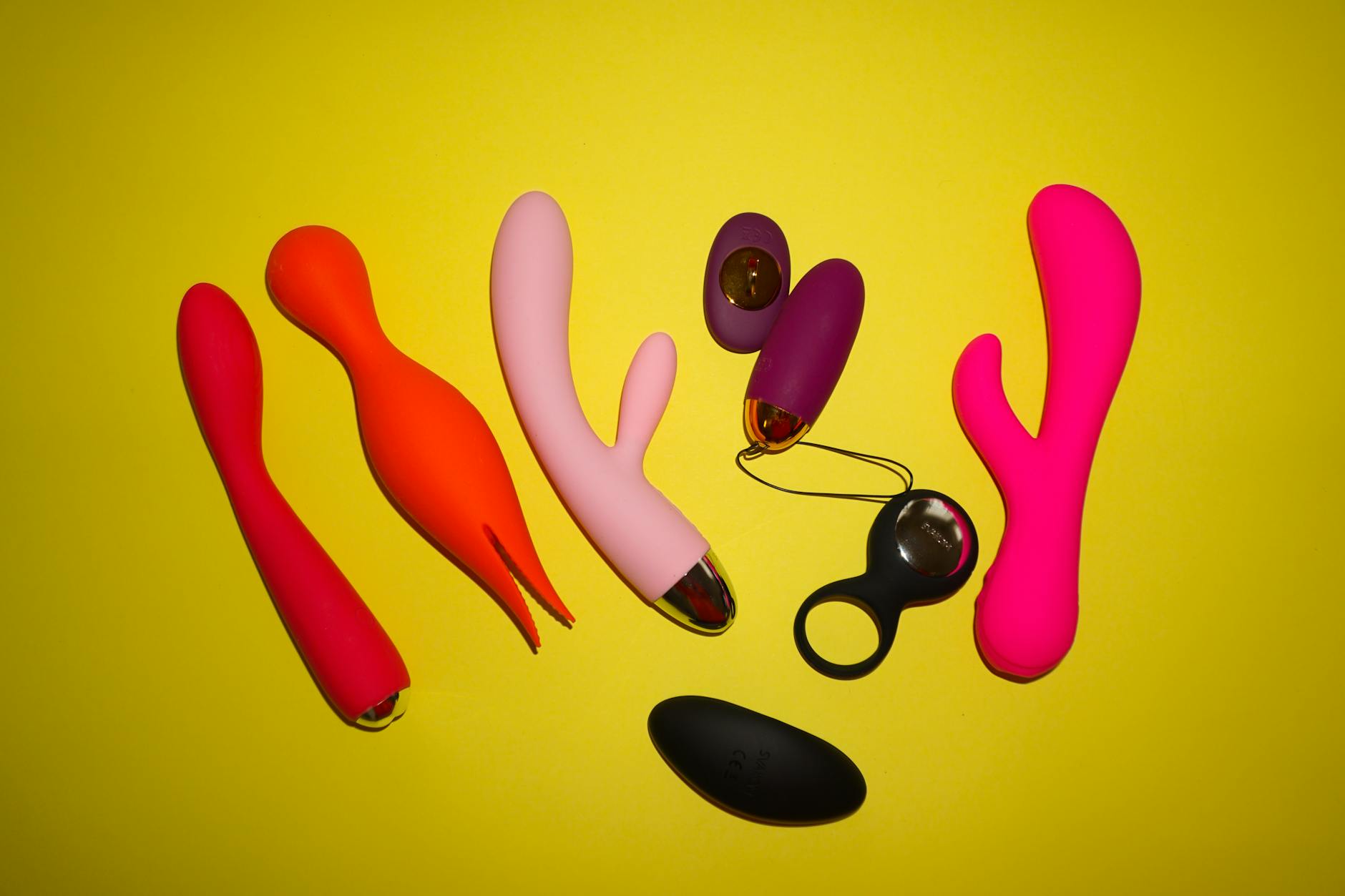
Let's start with the real shift nobody talks about
Your body changes with the seasons. Not just your mood. Your actual neurochemistry, cortisol levels, melatonin production, and yes, your sexual sensitivity all shift as the light and temperature around you change. Most people think pleasure is static. It isn't. And if you've ever noticed that you crave different things in December versus June, you're not imagining it.
Here's the thing: adapting your lemon vibrators practice to these seasonal rhythms isn't complicated, but it requires paying attention. Once you do, your pleasure gets a whole lot more reliable.
Why seasonal changes affect arousal and sensation
Three physiological shifts happen as seasons change:
Sunlight exposure alters dopamine and serotonin. When daylight drops (late autumn into winter), your brain produces less dopamine, the neurotransmitter tied to motivation and reward sensitivity. That doesn't kill desire, but it means you might need more intentional buildup to get aroused. In spring and summer, higher light exposure makes arousal feel more accessible.
Temperature changes cortisol and alertness. Cold weather keeps your nervous system slightly more activated (your body is prepping for stress). Summer warmth triggers parasympathetic activation (rest, digest, pleasure). This is why winter orgasms sometimes feel harder to reach and summer ones feel easier.
Melatonin and sleep cycles shift your entire endocrine baseline. Longer nights in winter increase melatonin, which can make you feel sleepier and less interested in penetrative or intense sensation. Shorter nights in summer suppress melatonin, which keeps your nervous system more alert and responsive.
None of this means you can't have amazing pleasure year-round. It just means the map changes slightly, and you need a different approach for each season.
Winter: deeper pressure, longer buildup, lower intensity
Winter is when people often report needing more sustained stimulation and feeling less interest in quick, high-intensity sessions. Your nervous system is already slightly activated by cold and darkness, so aggressive clitoral vibration can feel overwhelming or even numb out sensation faster.
Instead, adjust:
- Start lower on the intensity dial. If you usually begin at pattern 3 on your lemon clitoral vibrator, try pattern 1 or 2 in winter. You're building a foundation that your winter nervous system can actually receive.
- Budget more time for arousal. Winter arousal takes patience. Thirty to forty minutes for a full session isn't excessive. Light touching, longer warm-up, then gradually moving to your vibrator works better than jumping straight in.
- Use sustained pressure over quick pulses. The Lem's suction mode (if you're using that style) or a continuous vibration pattern often feels more grounding in winter than rhythmic patterns. Your nervous system needs something steady to settle into.
- Pair it with warmth and comfort. Blankets, warm hands, a heating pad nearby. Winter pleasure is less about fireworks and more about creating a cocoon where your body feels safe enough to let go.
Many people notice their best winter pleasure sessions happen when they're genuinely relaxed, not when they're chasing intensity. That's not a bug. That's your nervous system telling you what it actually needs.
Spring: exploration, new patterns, reawakening
Spring is when dopamine and motivation return. You might notice your desire feels different. Easier to access. More playful. This is the season to experiment with lemon vibrators in ways that felt flat in winter.
- Try new patterns and intensities you've avoided. If you stuck to gentle, sustained stimulation all winter, spring is when patterns 4 and 5 might suddenly feel really good instead of overwhelming. Your nervous system has capacity for novelty again.
- Shorten your buildup time slightly. You'll notice arousal comes faster. Lean into that. Sessions that took forty-five minutes in January might take twenty-five minutes in April. That's not rushing. That's rhythm.
- Play with position and angle changes. Spring energy often translates to wanting more physical variety. Different positions with your lemon adult toy create totally different sensations and hit different nerve endings.
- Try partnered exploration if you were solo in winter. Spring is when people often feel more social and connected. If sex felt solo and internal over the dark months, spring invites partnership back in naturally.
The mistake people make is pushing themselves to be spring-level excited and energetic while still in winter. When you align with the actual season you're in, everything becomes easier.
Summer: quickening, intensity, and novelty
Summer is when most people report the fastest arousal and the most tolerance for higher intensity. Light exposure peaks. Core body temperature is higher. Your nervous system is in go-mode.
- Try shorter, more intense sessions. Summer pleasure doesn't require the long buildup of other seasons. Some of the most satisfying summer sessions happen in fifteen to twenty minutes because your body is already primed.
- Experiment with higher intensity patterns. Patterns 5 and 6 on your lem vibrator, if you've been afraid of them, become approachable in summer. Your clitoris has more blood flow and can handle more sensation without getting overstimulated.
- Add external stimulation. Touch from a partner, temperature play with ice or warm hands, or even outdoor settings where pleasure feels more alive all intensify summer sessions. Lemon clitoral vibrators pair beautifully with these layers in summer in ways they don't in winter.
- Vary your release window. You might have multiple orgasms in summer that would feel impossible in winter. Lean into that. Your body's capacity is genuinely different.
When people feel winter-level tiredness in summer and think something's wrong, it's usually just that they're still in winter mode psychologically. The mismatch between season and expectation is the actual problem, not your body.
Fall: transition, grounding, recalibration
Fall is the hardest season to navigate because it's in-between. You still have some of summer's responsiveness, but your nervous system is beginning to shift toward winter preparation. Light is dropping fast. Cortisol begins to rise. Energy that felt abundant in August feels scattered by September.
- Treat fall as a bridge. Don't expect summer pleasure to last all autumn. Don't rush into heavy winter mode in September. Gradually dial back intensity as light drops, maybe moving from pattern 4 to pattern 3 over the course of six weeks.
- Notice energy dips without judgment. Some weeks in fall you'll feel very aroused. Other weeks, you'll feel almost nothing. That's not inconsistency. That's your body tracking light and temperature shifts in real-time.
- Use this season for honest assessment. Fall is when you can figure out what actually works for you across a full year. Which patterns did you love in summer? Which felt too intense? Which winter approaches could you genuinely use again?
- Keep a quick note of what works. You don't need a journal. Just a mental note: "November always needs longer buildup" or "September patterns feel best at pattern 3.5." By next year, you'll have a map.
Fall transitions also often involve emotional shifts. When sex feels obligatory instead of desired, seasonal transition is sometimes the culprit. Giving yourself permission to shift your practice seasonally removes a huge layer of self-judgment.
Reading your body's individual seasonal pattern
Here's what won't be the same for everyone: the exact timing and intensity of seasonal shifts. Some people notice changes most in sleep and mood before pleasure. Others feel it in sensation first. Some are barely affected.
The most useful thing you can do is actual observation without judgment.
Over the next three months (one full season), track one simple thing: What intensity pattern on your lemon vibrators felt best? Did you want longer or shorter sessions? Did you reach orgasm faster or slower? No app needed. Just a one-line text to yourself each week.
By season four, you'll have a real pattern. "I always need gentler vibration in January through March. I can handle more in June. Fall is unpredictable." That's not a problem to fix. That's actual intelligence about your body.
Maintaining consistency across seasons with lemon clitoral vibrators
One of the biggest perks of adjusting to seasonal shifts is that your practice actually becomes more consistent, not less. Because you're meeting your nervous system where it actually is, you're more likely to actually show up for pleasure.
People who fight their winter need for gentleness end up frustrated and less interested. People who honor it? They find the pleasure is just... different. Slower. Deeper. Sometimes more satisfying.
Same with summer intensity. If you accept that your body genuinely wants more, you stop feeling like you need to dial back for some moral reason and just... enjoy it.
Your lemon clitoral vibrator doesn't change. Your nervous system does. The work is noticing, not judging, and adjusting accordingly.
Pleasure isn't a constant. It's a rhythm. And rhythms change with the seasons.
When seasonal shifts feel extreme
If your sensation or desire feels wildly different in a way that's disruptive (like zero arousal for three months, or breakthrough pain during what usually feels good), that's worth checking in with a healthcare provider. Extreme seasonal mood or sensation changes can signal vitamin D deficiency, thyroid shifts, or hormonal changes that go beyond normal seasonal variation.
But normal seasonal variation? That's not something to fight. It's something to choreograph around. And once you start, you'll notice everything about your pleasure gets easier, because you're finally working with your body instead of against it.
People also ask
Can seasonal changes actually affect my orgasm intensity?
Absolutely. Longer days increase dopamine, which heightens reward sensitivity in the brain, including during orgasm. So summer orgasms often feel more intense. Winter orgasms can feel more subtle. This isn't better or worse. Just different. Some people actually prefer the quieter, longer winter orgasms once they stop expecting summer-level fireworks.
Is it normal to want different lemon vibrator patterns in different seasons?
Completely normal. Your nervous system's baseline arousal level genuinely shifts with light, temperature, and sleep cycles. That's why the intensity that felt perfect in July might feel jarring in January. You're not broken. You're tracking actual physiological changes. The Lem and other lemon sexual toys are designed to offer that range of intensity for exactly this reason.
Should I use my lemon clitoral vibrator differently during seasonal transitions?
Yes. Fall and spring are in-between seasons. During these months, you might notice your preferences shifting week by week. Instead of fighting that, stay flexible. You might do three weeks of pattern 3, then dial to pattern 2 as light drops. Treating transitions as gradual rather than sudden stops the frustration.
Does seasonal sensitivity affect partnered sex differently?
Yes. In winter, people often want more emotional connection before pleasure. In summer, people are more likely to want direct physical stimulation. If you have a partner, letting them know "I need more time in January" or "I'm ready for faster intensity in July" removes confusion. Many couples find that their rhythm naturally shifts seasonally, and once they know it's normal, they stop blaming each other.
Can I use the same pleasure routine year-round?
You can, but you'll probably notice diminishing returns. In summer, a routine that took forty-five minutes in January might feel tedious. In winter, rushing through it might leave you disconnected. Adapting your approach actually makes pleasure feel fresher and more satisfying because it's meeting real biological shifts.
What if I don't notice seasonal changes in my sensitivity?
Then you probably don't experience them as strongly as others do. Some people's pleasure is very stable. That's fine. Others are highly seasonal. Neither is better. If you're curious, try shifting one variable (like intensity level) for a month and notice. But if you genuinely feel the same year-round, trust that about yourself.