Let's be real about desire mismatch
One of you wants sex three times a week. The other wants it once a month. Neither of you is broken, but the gap between those numbers can feel like a chasm, especially over time. The higher-desire partner starts to feel rejected. The lower-desire one feels pressured, which tanks desire even further. Round and round it goes until someone's resentful and both of you are lonely.
I see this pattern constantly in couples therapy, and here's what's almost always true. The lower-desire partner isn't asexual or unattracted. They're usually exhausted, touched-out, mentally overloaded, or just wired differently. And the higher-desire partner isn't being unreasonable. They're wired to seek connection through sex. Both things are true at once.
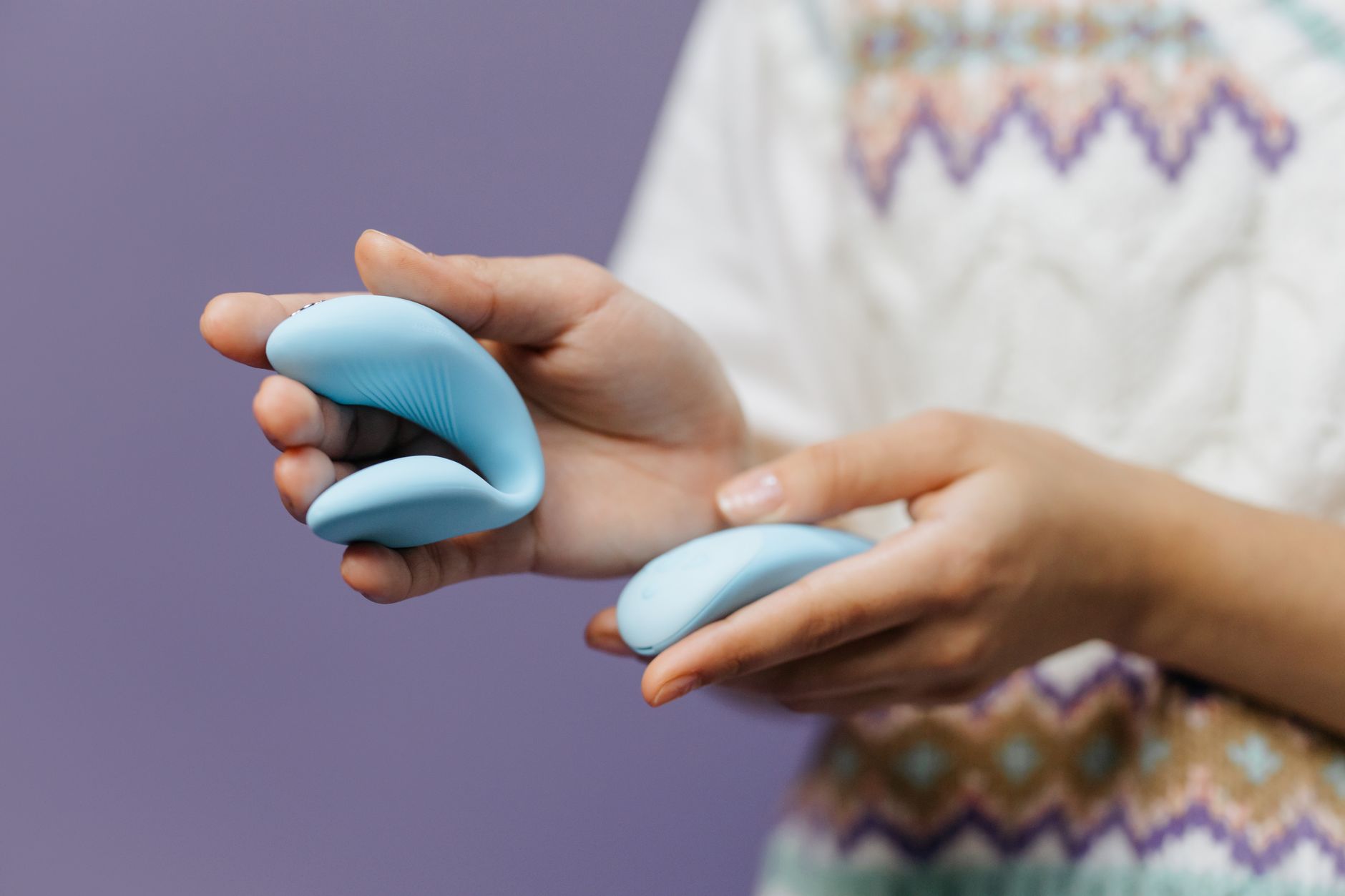
Lemon vibrators, specifically, can reframe this whole conversation. Not by forcing the lower-desire partner into more sex, but by creating a third option. One that meets the higher-desire partner's need for shared intimacy without requiring the lower-desire partner to find desire they don't have.
Understanding the actual problem
Here's what libido mismatch usually isn't. It's not usually about attraction or love. It's not about one person being broken or difficult. What it actually is: a difference in how your nervous systems are wired, combined with whatever life is doing to your body right now.
Lower desire often shows up because of:
- Mental load (you're holding all the household logistics, even if your partner helps)
- Touch starvation paradoxically (if the only touch is sexual, you withdraw from all touch)
- Hormonal shifts (birth control, cycle phase, medications, aging)
- Depletion (your body is genuinely tired, even if you're not "busy")
- Anxiety (often about the mismatch itself, which creates a vicious loop)
Higher desire often shows up because:
- Your partner is wired to regulate emotions through physical connection
- They feel safe in your presence and that activates desire
- Sex is how they say "I love you"
- They have lower baseline cortisol and more accessible arousal
Neither of these things is a character flaw. They're just operating systems. The problem isn't that you want sex differently. The problem is that you're trying to solve it by negotiating desire instead of designing a ritual that works for both actual people.
Why lemon vibrators change the equation
A clitoral vibrator like the lemon does something partnered sex often doesn't. It lets the lower-desire partner stay in control of intensity, duration, and whether they come at all. Your partner can be present and connected without you having to summon desire you don't feel.
Here's the distinction that matters. When you say yes to partnered sex you don't want, you're using your body as a tool to meet their need. It works in the short term, but it teaches your nervous system that your body isn't safe. You pull back from touch because touch has become obligatory.
When you and your partner explore sex with a lemon vibrator together, the lower-desire person is choosing to be there. They're choosing the speed, the pressure, the stopping point. That's a completely different nervous system state. Choosing is sexually activating. Obligating yourself is sexually deactivating.
For the higher-desire partner, it means they get to be close to you, to witness your pleasure, to be part of something intimate that doesn't depend on your arousal matching theirs. They get connection without resentment.
Setting up the conversation first
Don't start with the vibrator. Start by naming the pattern without blame. Something like: "I notice when we haven't had sex, you feel disconnected and I feel pressure. Then I pull back because I feel pressured, and that makes it worse. I want to fix this, but not by forcing myself."
Then make it a problem to solve together, not something that's wrong with either of you.
Once you're on the same team, introduce the idea. "I've been thinking. What if we did something that let us feel close without me having to be aroused first?" Or if you know your partner reads things like this, send them an article. Give them permission to sit with the idea without deciding right now.
How to actually use lemon vibrators with a partner
Start small. One session, low stakes. Maybe you're both clothed at first. Maybe it's on a quiet evening when neither of you is tired or touched-out.
The lower-desire partner holds the vibrator. Uses it on themselves. The higher-desire partner is invited to be present, but they're not doing anything. They're watching, touching your arm, asking "does that feel good?" The point is togetherness without performance.
Second time, shift slightly. Maybe the higher-desire partner touches you while you use the vibrator. Not penetration, just skin contact that says "I'm here and you matter."
Third time, maybe they hold the vibrator and you guide their hand. Or they use it on you while you touch them.
The rhythm matters more than the destination. This is not about reaching orgasm or proving desire. It's about your nervous systems learning that intimacy can happen in a way that doesn't deplete the lower-desire person.
The pressure setting that matters
Lemon vibrators give you different patterns and intensities. For the lower-desire partner, start at pattern 2 or 3, not the highest intensity. You're not chasing anything here. Low, exploratory stimulation keeps you from feeling rushed. It gives your arousal time to build without pressure.
If it doesn't build, that's fine. The point isn't to come. The point is to be together in a way that doesn't require you to manufacture desire.
What this actually solves
Over time, a few things shift. The higher-desire partner stops feeling rejected because they're getting regular moments of intimacy that actually include the lower-desire person's genuine participation, not just their body.
The lower-desire partner stops associating sex with obligation, which paradoxically makes them more interested in touch and closeness overall.
You both start separating the conversation about sex frequency from the conversation about connection. Sometimes that frequency naturally increases. Sometimes it doesn't. But when it does, it's because the lower-desire person actually wants it, not because they're trading their comfort for peace.
When the gap is too wide
I want to be honest. Sometimes the mismatch is so profound that even tools like this don't bridge it enough. If one person wants sex once a week and the other wants it once a year, you might both be okay. You might not be. That's when couples therapy becomes important, not because anything is wrong, but because you need support figuring out what compatibility actually looks like for you two.
But most of the time, the gap isn't unbridgeable. It just needed a way to exist that didn't require one person to betray their own nervous system and the other to feel rejected. Lemon vibrators won't fix a relationship, but they can stop the cycle that makes the mismatch feel like a referendum on whether you actually love each other.
The real shift
What changes isn't your desire frequency. What changes is the story you tell about it. Instead of "they want it more than I do, so there's something wrong," the story becomes "we want different things, and we found a way that works for both of us."
That shift is everything. Because desire that comes from obligation is desire that eventually dies. But desire that comes from knowing your partner respects your body and your pace? That grows.