Let's name the real problem first
After a serious conflict in a relationship, sex feels complicated. Your body might want it, but your nervous system doesn't trust it yet. Pleasure can feel like you're bypassing the actual work of repair. And sometimes, you're right to feel that way.
But here's what I've seen in decades of couples work: sexual reconnection doesn't have to wait for emotional resolution to be complete. It can actually be part of the repair process itself. The key is doing it intentionally, not as a distraction.
That's where lemon vibrators come in. They're not about making sex "normal" again. They're about creating a framework where you and your partner can explore touch and pleasure in a low-pressure, non-goal-oriented way while you're still rebuilding.
Why standard intimacy feels broken after conflict
When you've fought or experienced distance, your sexual interaction usually gets locked into one of two patterns. Either sex becomes something you're both trying to "make work again" to prove things are fine. Or it shuts down entirely because the idea of vulnerability feels impossible.
The first pattern is exhausting because you're performing repair instead of experiencing it. The second is isolating because physical connection stops altogether.
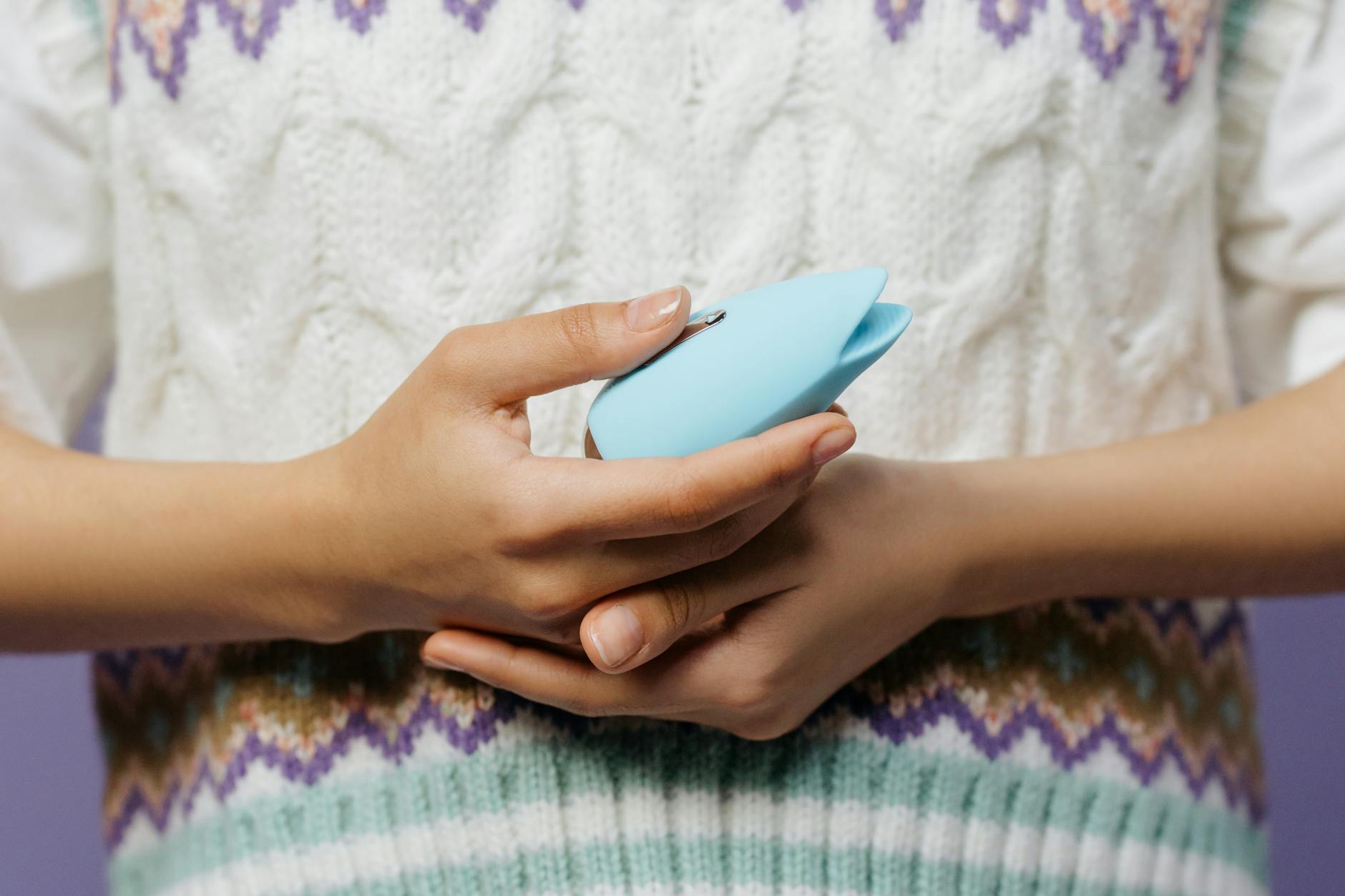
Lemon clitoral vibrators create a third option. They shift the focus from partnered performance to individual pleasure within a shared space. This sounds like semantics, but physiologically and emotionally, it changes everything.
When you use a toy during partnered sex after conflict, you're no longer dependent on your partner to create the right sensation at the right moment. Your nervous system gets the message: "You can take care of your own pleasure. Your partner is here with you. Those things aren't contradictory."
The actual steps for reintroducing pleasure toys after distance
Step one: solo first. Before toys appear in partnered sex, spend time with one alone. This isn't about reaching orgasm. It's about relearning what your body wants right now, in this moment, without anyone else's expectations. Use your Lem vibrator at low intensity. Notice what feels good. Stop when you want to.
This solo phase typically takes 1-2 weeks. It sounds slow, but it's the difference between bringing a frazzled nervous system into partnered sex and bringing a calm one.
Step two: tell your partner explicitly. "I'm going to spend some time with my vibrator alone because I need to reconnect with my own pleasure first. This isn't about you. It's about me building trust in my body again." Most partners respond with relief because they finally have permission to stop trying to fix everything.
Step three: invite them in gradually. This might look like: they're in the room but not touching you. They're touching you but not having sex. They're present during solo play. You have partnered sex and then you use your vibrator afterward, not instead.
There's no timeline. The timeline is when your nervous system says yes.
Using lemon sexual toys when you're still angry
There's a myth that you need to forgive someone before you can have sex with them again. That's not how bodies work. You can still be processing anger while your body wants contact. And that's okay.
If you're using a lemon vibrator during partnered sex while you're still working through conflict, here's what I tell people: notice what sensation you actually want. Are you reaching for the highest intensity because you need distraction? Or are you using a lower pattern because it feels connective? There's no wrong answer, but the answer tells you something about what you need right now.
Some people need to feel intensely stimulated because it interrupts the mental loop of the fight. That's valid. Some people need gentler, longer stimulation because intensity feels aggressive in a moment when they're protecting themselves. Also valid.
The point is: the toy gives you choices. And choice is what erodes after conflict. Getting it back matters.
The specific pressure and pattern question
When you're reconnecting, the Lem's different intensity settings become crucial. Start low. The temptation after distance is to go straight to high intensity because you want to feel something different than the heaviness of conflict. But your tissues need to wake up gradually.
During partnered sex after conflict, many people find that a middle-range pattern (often pattern 3 or 4) feels right. It's stimulating without being aggressive. It allows for conversation and eye contact and presence, not just goal-oriented sensation-seeking.
After extended distance, clitoral tissue can feel less responsive. This is normal and temporary. Don't interpret it as a sign that your body has permanently changed. It's your nervous system catching up. Keep the intensity lower than you think you need. Most people are surprised how much sensation registers once the nervous system settles.
What happens when pleasure brings up unexpected emotions
Here's something no one warns you about: reconnecting sexually after conflict can make you sad. Or angry. Or both. Pleasure opens up your nervous system, and if there's unprocessed hurt, it comes up.
If this happens, pause. You don't need to perform your way through it. Tell your partner what you're feeling. Keep the vibrator in hand if that helps, or set it down. Sometimes reconnection means sitting with the feeling together before going back to the physical part.
You might reach for your Lem and find yourself crying instead of orgasming. That's not a malfunction. That's your body processing. It's actually one of the most honest intimacy moments you can have.
Building a new baseline together
One underrated benefit of reintroducing toys during reconnection is that it gives you both a chance to renegotiate what partnership sex looks like. You get to ask questions you might have avoided before the conflict.
What intensity do you actually prefer? Do you want the toy every time or sometimes? Do you want it during foreplay or as part of penetration or only during solo time? These conversations feel safer when they're about a specific object rather than about your partner's technique or your own body.
Many couples discover that conflict actually created space for more honesty about pleasure. The old patterns weren't working anyway. Rebuilding means you get to choose differently.
When to loop in professional help
If the conflict involved infidelity, emotional abuse, or a breach of trust around sexuality, toys and solo time aren't enough. A couples therapist trained in sex-positive work is necessary. The tool itself can't fix structural issues. It can support repair that's already happening, but it can't create repair on its own.
If you're having trouble with the reintroduction process, if touch still feels unsafe, or if one partner is pushing for sex while the other isn't ready, that's also a sign to bring in a trained therapist. Those dynamics don't resolve through better tools or better technique. They resolve through professional support.
Rebuilding intimacy after relationship conflict is patient work. Lemon clitoral vibrators make the physical part of that work less loaded with expectation. But they work best alongside genuine emotional repair, not instead of it.
People also ask
Is it normal to want a vibrator right after a big fight?
Yes. Orgasm triggers dopamine and oxytocin, which temporarily ease stress and create bonding sensations. Your body might be reaching for that reset after high emotion. The question isn't whether the impulse is normal. It's whether using it serves the actual repair you're trying to do. Sometimes it does. Sometimes it's avoidance. Check in with yourself first.
Can using a lemon vibrator actually rebuild trust between partners?
Not on its own. But it can be part of a process where trust rebuilds. Using a toy together requires communication, consent, and presence. Those are trust-building activities. The vibrator is the structure that holds that conversation in place. The actual trust comes from follow-through and honesty over time.
What if my partner feels threatened by a vibrator after we've had conflict?
That's worth discussing directly. Sometimes the threat is about sexual technique. More often it's about feeling replaced or like the conflict revealed a need they can't meet. A vibrator isn't a statement about your partner's ability. It's a tool for your own pleasure. That can sound hollow if the relationship dynamic is already fragile. A therapist can help you both untangle what the toy is actually triggering. Sometimes it's not about the toy at all.
How long does it usually take to feel sexually connected again after a serious fight?
There's no timeline. Some couples reconnect sexually within days. Others need weeks or months. Sexual reconnection isn't a sign that emotional repair is complete. It's often a parallel process. You're rebuilding trust in your body, in your partner, and in the relationship simultaneously. Lemon vibrators can speed up the first part of that. The other parts take what they take.
Should we use a vibrator during sex to reconnect or should I use it solo first?
Solo first, almost always. Your own nervous system needs to feel safe before you invite someone else in. A few weeks of solo exploration with your vibrator creates a foundation where partnered sex feels like addition, not dependence. That shift in your nervous system is why so many couples report that reintroduction goes more smoothly when the person has done solo work first.
What if we had been using toys during conflict and sex became a problem?
Toys don't cause sexual problems. They can reveal them. If sex became disconnected or used to avoid talking about real issues before the conflict, a vibrator won't fix that pattern. It might actually make avoidance more efficient. If that's your history, reconnection is worth doing with a therapist's support, at least for some of it. The tool is only as good as the intention behind it.
What reconnection actually looks like
I had a client recently describe reintroducing her Lem after a months-long period of distance with her partner. She said: "The first time I used it while he was in the room, I cried. Not because I was sad. Because it meant we were trying again. And he was there while I took care of my own pleasure. That felt new."
That's what I see in the work: reconnection isn't about getting back to what was. It's about building something that can hold the conflict you just survived. It's messier. It's slower. It's more real.
Lemon clitoral vibrators make that slower, messier process less lonely because they give you a tool that's yours. Something that doesn't require your partner to perform perfectly. Something that reminds your body that pleasure is possible again, even in a relationship that's been broken and is now being repaired.
Sex after conflict is an act of faith. The toy just makes the faith a little less dependent on everything being perfect right now.
If you're in the rebuild phase and feeling stuck, reaching out can help. Sometimes just talking through what reconnection could look like makes the process less overwhelming. You don't have to figure this out alone.