Let's be real: nobody warns you that treating depression might flatten your ability to feel pleasure. Your doctor explains side effects like dry mouth or fatigue. They usually skip the part where your orgasms become harder to reach, or sensation feels muted, or desire just... evaporates. But it happens to somewhere between 40 and 60 percent of people taking SSRIs. You're not broken. Your medication is working exactly as intended. The problem is that serotonin affects more than your mood.
Selective serotonin reuptake inhibitors stabilize serotonin by preventing your brain from reabsorbing it. This lifts depression. But serotonin is also a neurochemical gateway to arousal and orgasm. Higher serotonin can suppress dopamine, which drives sexual motivation. At the same time, SSRIs can dull the sensory pathways that allow you to register touch, pressure, and vibration at their normal intensity.
The result isn't one sensation flattening equally. Some people report that arousal takes longer. Others say sensation itself feels distant, like watching pleasure happen rather than experiencing it. Orgasm might be possible but feel weak. Some describe anhedonia during sex, where the physical response happens but the emotional satisfaction doesn't.
This is different from the menopause angle or hormonal contraception angle. Your hormone levels haven't changed. Your nerve endings haven't changed. What's changed is how your brain interprets the signals your body is sending. That distinction matters because it means this is fixable without stopping the medication that's keeping you stable.
When sensation feels muted, a typical vibrator with a broad, gentle pattern doesn't cut through that numbness. The stimulation needs to be precise, concentrated, and intense enough to reach past the sensory dampening SSRI creates. You need something that can punch through without being painful, and traditional wand vibrators or broad-contact toys often feel underwhelming when you're already numb.
Clitoral vibrators that use suction or air-pulse technology work differently. They don't rely on simple vibration alone. Instead, they create rhythmic pressure waves that stimulate nerve clusters more directly. For people whose sensation is dulled by medication, that focused intensity often cuts through in a way standard vibration doesn't.
First, don't expect your pre-SSRI pleasure to come back immediately. Sensation restoration takes time and patience, sometimes weeks. Here's the foundation:
Begin with lower intensity settings. If you're using a clitoral vibrator like the Lem, start on pattern 1 or 2, not because you're delicate, but because you want to retrain your nervous system to register subtle sensation first. Your brain has been ignoring input. It needs a gentle reintroduction.
Extended arousal window is non-negotiable. Budget 20-30 minutes of solo time, longer with a partner. Your body needs extra time to build arousal when serotonin is dampening the signal. Don't rush or you'll add frustration to the numbness, which makes it worse.
Use lubricant even if you don't think you need it. SSRIs sometimes reduce natural lubrication, and a dry environment means reduced sensation. Water-based lube reduces friction and actually helps vibrators work more effectively by creating a smoother surface for the sensation to travel through.
Once you've spent a few sessions on lower settings and your body starts registering the sensation, you can experiment upward. But don't jump straight to full intensity.
Patterns 3-5 on most lemon clitoral vibrators offer variation without overwhelming shock. Some people find that rhythmic patterns (on-off sequences) work better than steady vibration when sensation is muted, because the variation helps your brain register each pulse more clearly. Steady stimulation at one level can be easier for your nervous system to tune out.
Many people in my practice find that they settle into a pattern around 4-6, which is firmer than they'd normally choose, but not punishing. They stay there for weeks or months as sensation normalizes and they can tolerate lower intensities again.
If you're hitting month three of an SSRI and sensation hasn't improved at all, and you've been patient with technique and timing, this is worth mentioning to your prescriber. Sometimes switching medications helps. Bupropion, for example, actually enhances dopamine and can improve sexual response compared to SSRIs. Sertraline sometimes has less sexual side effects than paroxetine or fluoxetine, though this varies widely.
You could also ask about dosage adjustment. Sometimes dropping from 50mg to 25mg restores sensation enough to make a difference, though that's a conversation between you and your doctor about whether the depression stays stable. Don't try this solo.
Timing of doses can matter too. Some people find that taking their SSRI right before bed instead of in the morning means sensation is sharper during the day. Again, ask first.
If you have a partner, they might interpret your reduced arousal or difficulty orgasming as loss of attraction. It's not. But you'll need to name that explicitly. The script is simple: "My medication is managing my depression, which helps our relationship overall. But it's also flattened my sensation. I'm working on restoring that with tools and time. I need you to know this isn't about you."
Then, make space for solo exploration first. Using a clitoral vibrator alone, without the pressure to perform or come on someone else's timeline, lets you rebuild sensation without audience anxiety. Some people find they reintegrate partnered sex faster if they've reconnected with solo pleasure first.
When you do include a partner, the same extended timeline applies. Foreplay shouldn't be five minutes. Build it to 15-20 minimum. Tell your partner the intensity you're discovering ("I'm finding pattern 4 works best right now"). Let them participate in that discovery if you're comfortable. Sometimes a partner can hold the vibrator, which adds connection while you focus on sensation.
This is where patience pays off. Usually around week 6-12 of consistent exploration with the right tool, people report that sensation feels clearer. Not normal yet, but recognizable. Orgasms might feel like they're returning. Desire, weirdly, sometimes surges once you've proven to your body that pleasure is still possible, even if it takes work.
At that point, you can experiment with lower intensity settings again. Some people find they never go back to their original preference. They've retrained their nervous system to enjoy a different register. That's not worse. It's just different.
Others find that once sensation fully restores, maybe month four or five, they can dial back down and pleasure becomes effortless again. There's no universal timeline. Your body is individual.
No. Depression without treatment will tank your pleasure far worse than medication side effects. The goal is always to find a medication + tool combination that lets you manage both mental health and sexuality. Talk to your doctor about adjusting dosage, timing, or switching medications instead.
Clitoral suction or air-pulse vibrators, including lemon vibrators like the Lem, often work better than broad vibrators because they create concentrated stimulation that cuts through sensory dampening. But individual bodies vary. If one tool isn't working after 4-6 weeks of consistent use, try a different pattern or style before giving up.
Typically 8-12 weeks of patience with the right tool and technique. Some people see improvement in 4 weeks. Others need 16. SSRIs affect everyone differently, and so does recovery from their side effects.
Often yes, but it might feel different. Your baseline may shift. You might need a firmer touch than before. You might find you prefer a different type of stimulation. The good news is that different doesn't mean worse. Many people discover their pleasure is richer once they've had to intentionally rebuild it.
No. Numbing creams reduce what little sensation you have. Likewise, some people turn to drugs or alcohol to lower inhibitions, which compounds the sensory problem. Stick with focused tools like clitoral vibrators and patience. The nervous system self-heals with the right stimulus.
That's a relationship conversation, not a sexuality problem. How Lemon Vibrators Help When Partners Have Mismatched Desire Levels digs into that territory. Short version: a tool isn't a replacement. It's a temporary aid while your nervous system recovers. Frame it that way.
Your mental health comes first. SSRIs work, and for many people, they're non-negotiable for stability. The sexual side effects are real, but they're temporary if you approach them with intention. Using the right clitoral vibrator, giving yourself time, and being patient with your nervous system's recovery creates a pathway back to pleasure without sacrificing the medication that keeps depression at bay.
You didn't lose your capacity for sensation. It's just temporarily quieter. The right stimulus, applied consistently, brings it back.
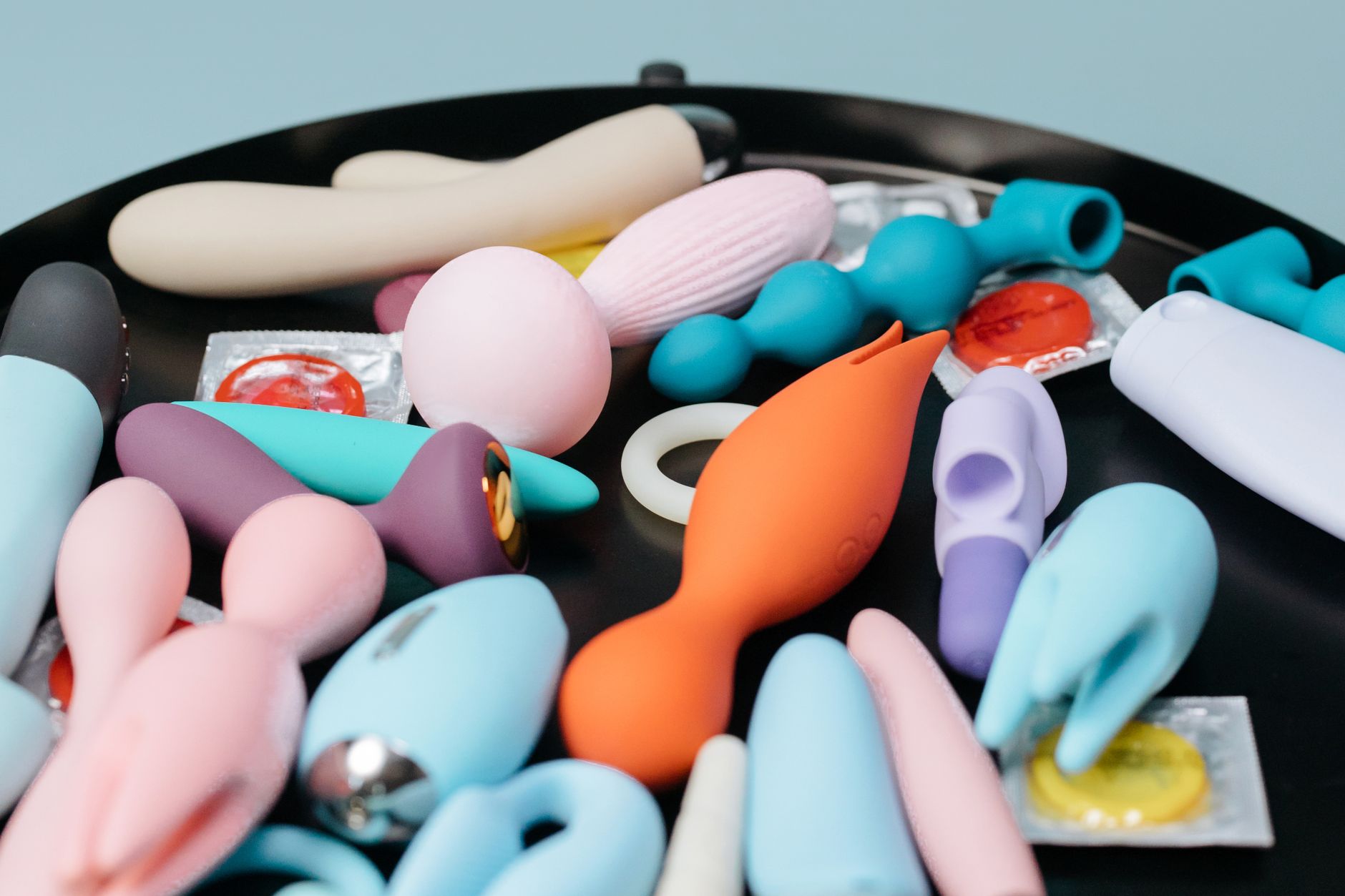
 Photo by