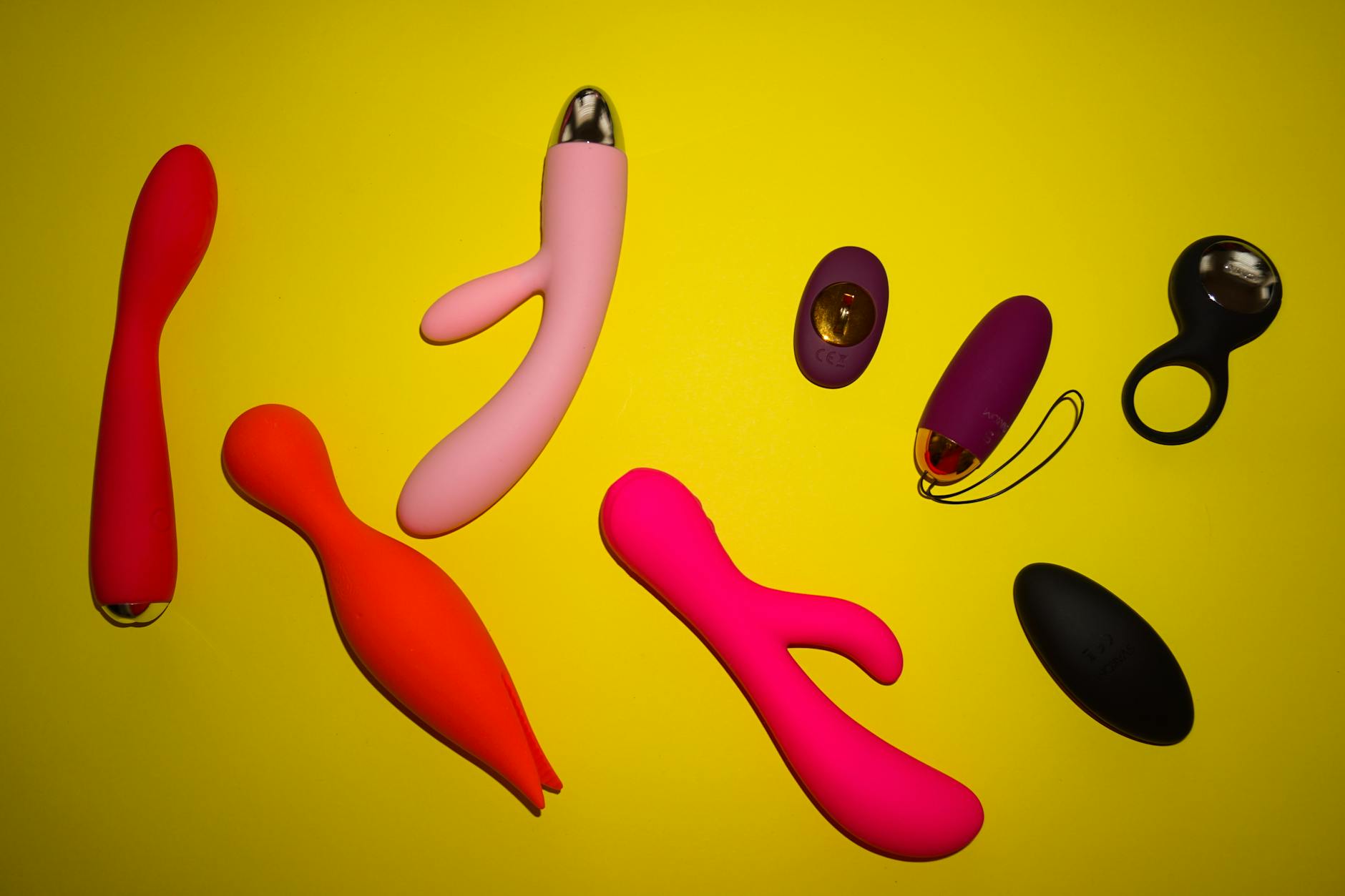
Most partnered sex is structured around someone else's pleasure first. This is not an accident. For decades, the default script has been: foreplay happens, penetration happens, and orgasm is whoever finishes first. If you have a vulva, that's usually not you.
The result is that many people grow up thinking their orgasm is a nice bonus, not a requirement. And when you internalize that early enough, you stop asking for it. You stop expecting it. You eventually stop noticing that it's missing.
Here's the thing that changed how I think about sex in relationships. Studies consistently show that women who prioritize their own pleasure in partnered contexts report higher sexual satisfaction, better emotional intimacy, and stronger orgasms overall. Not just during solo sex. During partnered sex too.
But there's a catch. The moment you decide your orgasm matters, you have to be willing to name it. And that means communication that feels uncomfortable, vulnerable, even confrontational if your partner has gotten used to a different arrangement.
This is where lemon vibrators come in. Not as a workaround. As a declaration.
When you use a lemon vibrator in partnered sex, you're doing something radical. You're saying: my pleasure is not your responsibility. My orgasm is not your job. I'm going to handle it.
This sounds simple. It's not. Many partners feel confused by this. Some feel threatened. Some feel relieved. But what almost always happens is that the conversation shifts from "Why aren't you coming?" to "How do you want to come? And how can I be part of that?"
The Lem, for instance, is designed for clitoral suction stimulation. It doesn't require penetration or specific positioning. You control the intensity, the rhythm, the exact spot. This means you're not accommodating another person's body anymore. You're accommodating your own.
First, your arousal changes. When you stop performing pleasure for someone else and start actually chasing it for yourself, the experience intensifies. Orgasms feel deeper. They take longer to build, but they're worth the wait.
Second, the dynamic in your relationship shifts. Your partner gets to see you as someone who knows what they want and isn't afraid to ask for it. That's attractive. That's also threatening to some people. And if it's threatening to your partner, that's information you need.
Third, you'll probably come more often. This isn't because the vibrator is doing something magical. It's because you're finally giving yourself permission to finish. You're not watching the clock. You're not worried about whether your partner is getting bored. You're not performing. You're just coming.
Let's be honest. Introducing a vibrator into partnered sex isn't always met with excitement. Some partners worry it means they're not enough. Some worry it means you're not attracted to them anymore. Some worry it means the sex is about to feel clinical or less intimate.
All of these worries are understandable. None of them are true.
Here's how I usually frame it with couples: "A vibrator isn't a replacement. It's permission. It's me saying that my pleasure matters enough to prioritize. And that's not less intimate. That's more honest."
The key is to separate the conversation from the action. Don't introduce the vibrator mid-sex the first time. Talk about it first. Explain what you want, why you want it, and how you imagine it fitting into your sex life together.
If your partner is resistant, ask why. Listen to the answer. Sometimes the worry dissolves once you understand it. Sometimes it doesn't. And if it doesn't, that's also information you need about your relationship.
You can use a clitoral vibrator like the Lem solo before partnered sex, which means you come first and then you can focus on your partner if you want to. This removes the pressure of coming during sex, which allows you to relax and enjoy the experience differently.
You can use it during sex, either while your partner penetrates you or while you're doing something else together. The key is that you're in control of the intensity and pacing. You're not waiting for your partner to sync up with you.
You can use it after sex, which flips the script entirely. Instead of rushing through foreplay to get to penetration that might or might not get you there, you spend time on actual connection, and then you finish on your own terms.
There's no wrong way. The point is that your orgasm is no longer negotiable. It's not something that happens if you're lucky or if your partner is good at it. It's something you're claiming.
Here's what I hear from clients: "But what about my partner's pleasure?"
This question assumes that pleasure is zero-sum. That your orgasm takes away from their experience. It doesn't. In fact, the opposite is usually true.
When you're relaxed, present, and confident in your own pleasure, you're better at everything else. You're more engaged. You're more affectionate. You're more likely to reciprocate. You're genuinely enjoying the experience instead of performing it.
Your partner benefits from this. Not because you're now obligated to come for them. But because you're actually there.
If you're in a relationship where your pleasure has been secondary for years, recentering it is important and necessary. It's not selfish. It's recalibration.
But recalibration is uncomfortable. If your partner has panic responses to any shift in the status quo, or if they become angry or withdrawn when you assert your own needs, that's a sign that the relationship has deeper issues that a vibrator can't solve.
A good partner wants you to come. Not as a performance. As a fact. If that's not true in your relationship, that's worth examining separately, maybe with a therapist.
Once you start prioritizing your pleasure in partnered sex, you'll notice something unexpected. You'll want more sex. Or you'll want sex less often, but when you do want it, you'll want it badly.
You might feel angrier about the years you spent in unsatisfying sex. You might feel grieving. You might feel energized. All of these are normal.
Your partner might also notice that your pleasure is now non-negotiable, and they might rise to meet that. Or they might retreat. Either way, you'll have information about what kind of relationship you actually have.
Here's something I tell people that sometimes lands hard: using a clitoral vibrator in partnered sex is also a way of setting a boundary.
You're saying: I will not pretend anymore. I will not come close and fake an orgasm to make you feel good. I will not prioritize your ego over my body. I'm bringing a tool that centers my pleasure, and if that feels threatening to you, we need to talk about why.
Some relationships can't survive that boundary. Some relationships transform because of it. The ones that do tend to be stronger. Not because the sex is better necessarily. Because the foundation is more honest.
Frame it around yourself, not them. "I want to explore my own orgasm more fully" lands very differently than "I can't come with just you." The first is a statement of desire. The second is a criticism. Also, have the conversation clothed, not naked. You want this to feel like a discussion, not a negotiation mid-sex.
Yes. If it works for you, use it every time. Your pleasure doesn't need a reason beyond "I want to come." Some couples find a rhythm where the vibrator appears sometimes, not always. Other couples use it every time. Neither is more correct.
It's not, but that fear makes sense if they've been told that their worth in a relationship is tied to how they perform sexually. Help them separate those things. A vibrator is a tool. Your partner is a person. They're very different. If they still feel threatened after you explain this, that's something to explore in a relationship context, possibly with a therapist.
No. Attraction and pleasure are separate systems. You can be wildly attracted to someone and still need a vibrator to orgasm during sex. You can be less attracted to someone and come easily with them. These things don't predict each other.
Yes. Prioritizing your pleasure sometimes doesn't mean you never care about your partner's. It means you're human. You have needs. And those needs are allowed to come first sometimes. A good partner understands this.
Introduce the vibrator. If your partner's response is curiosity or openness or genuine engagement with your pleasure, that's a good sign. If their response is anger, control, or dismissal, that's information that the problem is bigger than the vibrator. Trust that instinct.