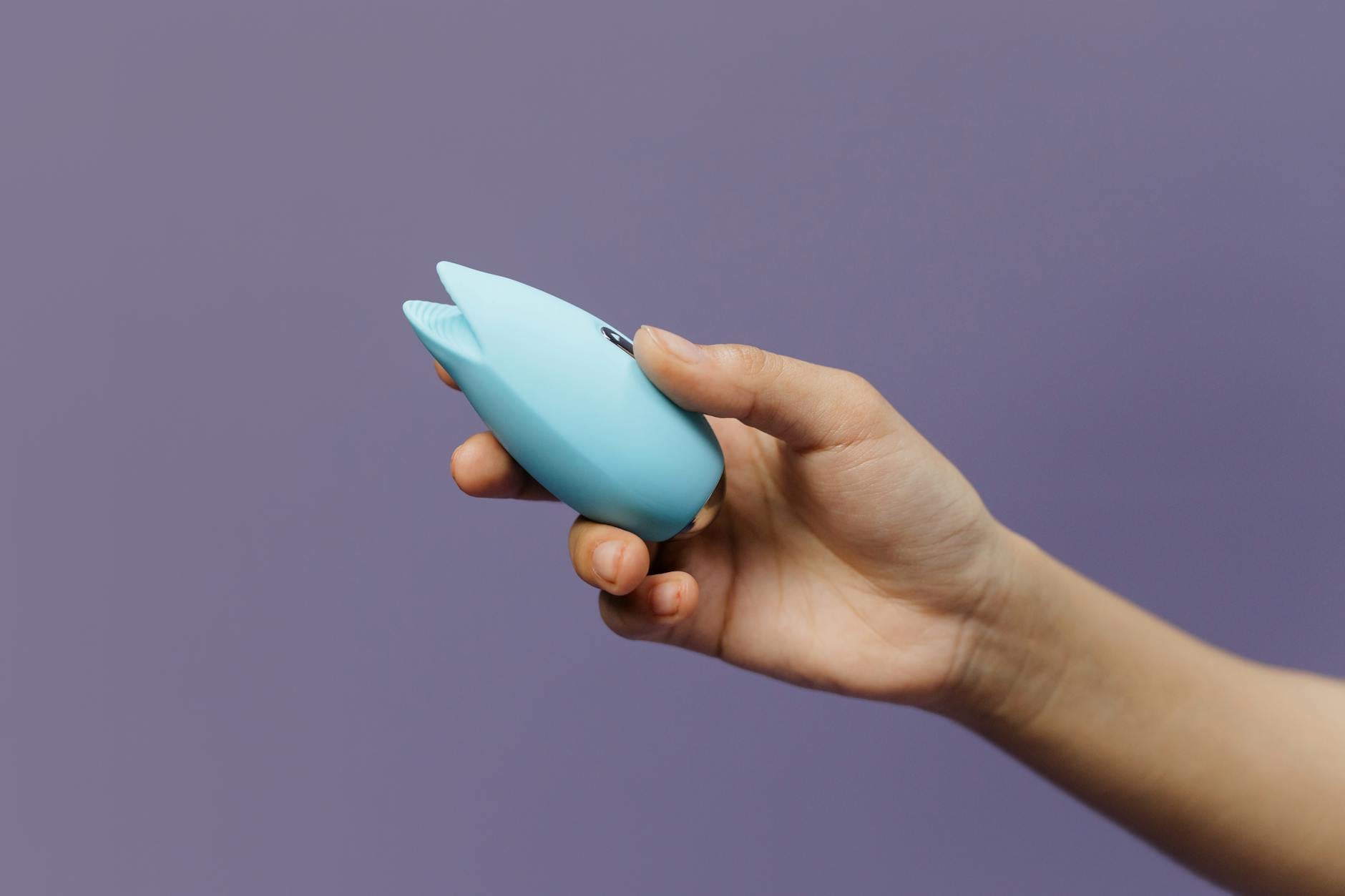
How to Use Lemon Vibrators When Pain During Sex Makes Pleasure Feel Impossible
Pain during sex doesn't end your sex life. Here's what's really happening, why clitoral stimulation bypasses the pain trap, and how lemon vibrators help you reclaim pleasure on your own terms.
When sex hurts, the whole idea of pleasure starts to feel like a cruel joke. Your brain rewires itself to brace before anything intimate happens. Your pelvic floor tightens preemptively. Your partner gets anxious. The shame sets in. And somewhere in that spiral, you start to believe that maybe pleasure just isn't in the cards for you anymore.
Here's what I've learned after years of working with couples navigating this: pain during sex is fixable. Not always instantly. But almost always. And more importantly, pleasure doesn't have to wait for penetration to be pain-free.
That's where lemon vibrators come in. Not as a bandaid. As a doorway.
Dyspareunia (the clinical term for pain during sex) has about a dozen common causes, and the really important thing is that they're all addressable. Here are the biggies:
Vaginismus and pelvic floor tension. Your pelvic floor muscles are involuntarily tight. This is a learned response. Usually, it starts as a protective reflex (previous pain, anxiety, trauma), and then your nervous system forgets how to relax. The muscles stay clenched.
Vulvodynia. Chronic vulvar pain that shows up without an obvious physical trigger. It's real. It's not in your head. And it responds really well to specific types of stimulation.
Thinning tissue (from low estrogen, medication, or age). The vaginal walls become thinner, more fragile, less lubricated. Penetration feels like friction instead of pleasure.
Endometriosis, fibroids, or adhesions. Internal scar tissue or growths make certain angles or depths painful. This is medical and needs a gynecologist, but it doesn't mean pleasure is off the table.
Post-surgical pain. After childbirth, pelvic surgery, or episiotomy repair, tissue heals tight. Sometimes too tight.
Psychological guarding. Anxiety, relationship strain, or past sexual trauma can cause your body to physically resist penetration. Your brain is protecting you, even if logically you want to be intimate.
The common thread: almost all of these improve when you remove penetration from the equation temporarily and focus on external clitoral stimulation. That's exactly what lemon vibrators do.
When you're experiencing pain during penetration, the entire pelvic floor goes into lockdown mode. Your nervous system perceives a threat. It tightens everything. Arousal stalls. The cycle continues.
Lemon vibrators (and lemon clitoral vibrators specifically) stimulate the clitoris externally. They bypass the vagina entirely. This is revolutionary for several reasons:
You're removing the pain trigger. When nothing painful is happening, your nervous system can finally relax. This is not trivial. It's neurological healing.
The clitoral suction mechanism is gentler than traditional vibration. A lemon vibrator uses gentle suction rather than intense buzzing. For people with vulvodynia or sensitive tissue, this feels like relief, not irritation. You're getting stimulation without agitation.
Arousal happens on your timeline. Solo play with a lemon vibrator means no partner pressure, no performance anxiety, no internal dialogue about "I should be enjoying this by now." Just sensation and your own pace.
Orgasm becomes possible again. And this matters psychologically. Orgasm is often the first sign that your nervous system is genuinely relaxing. It's proof that pleasure is still available.
This is the practical part. Here's what I recommend to my clients:
Start outside the bedroom context. Don't set this up as "foreplay" or "sex." Use your lemon vibrator in a completely different context first. Bath time. Before sleep. Afternoon when your partner is out. Remove all the associations with what's supposed to happen next.
Begin with pattern one or two. Even if you don't have pain, start low. The suction creates a gentle seal, and your body needs time to recognize this sensation as pleasure, not threat.
Pay attention to your pelvic floor. As you use your lemon vibrator, notice: am I holding tension? Can I soften my inner thighs? Can I breathe deeply into my belly? The physical relaxation is the whole point. Orgasm is optional. Relaxation is the goal.
Use lube, even if you don't think you need it. Water-based lubrication makes the suction sensation smoother and reduces any friction discomfort. It's not about being "wet enough." It's about comfort.
Practice patience with your nervous system. If you've had pain during sex, your body may need weeks of positive touch experiences before it fully relaxes. That's normal. You're retraining your nervous system. This takes time.
Let solo play become its own thing. This is crucial. The goal is not to eventually "graduate" to penetration. The goal is to reconnect with your own pleasure. If your pleasure with a lemon vibrator is deeper and more accessible than penetrative sex, that's valid. That's your answer.
When sex has hurt, shame often moves in. You start to feel broken. Defective. Like you're letting your partner down. You become hyperaware of your body during intimacy, which makes relaxation impossible.
Lemon vibrators help here too, but not because of the toy itself. They help because they give you back agency. You're not waiting for someone else's touch. You're not managing someone else's disappointment. You're discovering what your body actually wants. That shifts everything.
If you're partnered, this solo exploration becomes foreground information for both of you. You're learning: What pattern feels best? What tempo? What setting? How long does arousal take? What does my body actually like? Then you can bring that knowledge back to partnered intimacy, which stops being a mystery performance and starts being a conversation.
Please do this first. Pain during sex deserves a medical evaluation. You want to rule out endometriosis, vulvodynia, vaginismus, hormonal shifts, or other physical causes. A gynecologist trained in sexual health (not all of them are) can give you a clear picture.
Then add the pleasure work. The medical piece and the pleasure piece work together. If a doctor confirms vaginismus but offers no treatment beyond "relax," pelvic floor physical therapy plus solo exploration with a lemon vibrator is a real solution. If a doctor confirms vulvodynia, starting with external stimulation while you explore topical treatments makes sense.
As you use lemon vibrators and your nervous system slowly learns that touch can be safe again, penetrative sex may become possible without pain. When (and if) that happens, go slow. Your body may still have some memory of the threat. Add lots of lubrication. Check in with yourself. Your lemon vibrator doesn't disappear. It stays part of your pleasure toolkit.
Many of my clients find that after their pain resolves, they continue using lemon clitoral vibrators because the sensation is simply better than traditional penetration. Your clitoris has 8,000 nerve endings concentrated in a small area. That's a lot of potential for pleasure. Ignoring that in favor of penetration alone is like having the world's best espresso and choosing instant coffee instead.
Pain during sex is one of those problems that feels enormous and unsolvable until you understand it. Then it becomes a puzzle with actual answers. Lemon vibrators are one piece of that puzzle. The other pieces are medical evaluation, possibly pelvic floor therapy, and patience with your nervous system.
Your pleasure matters. Not as a performance metric. Not as something you owe your partner. But as real, valuable information about what your body needs and deserves. That's where this starts.
Yes, often very successfully. Vulvodynia involves chronic vulvar pain, and the gentle suction of a lemon clitoral vibrator is typically gentler than vibration. Start at the lowest setting and go slowly. Many people with vulvodynia report that lemon vibrators are one of the few stimulation methods that feel good rather than irritating. Work with a vulvodynia specialist (often a pelvic floor PT) who can help you understand your specific pain pattern.
What if I'm experiencing pain after childbirth?
Postpartum pain is common and often improves with time and gentle pelvic floor work. A lemon vibrator can help with external pleasure once you're cleared by your doctor (usually 6 weeks after vaginal delivery, longer after cesarean). Start very gently. Your tissues are healing. The goal is to reconnect with sensation, not to push into intensity.
Should I tell my partner I'm using a lemon vibrator for pain management?
That depends on your relationship and communication style. If you're partnered, I generally recommend transparency because it invites partnership in your healing. Frame it as "I'm exploring what feels safe and good," not "I'm giving up on us." Many partners are relieved to understand that there's a concrete step you're both taking toward restoring intimacy.
Can lemon vibrators actually reduce pelvic floor tension over time?
Indirectly, yes. Regular gentle stimulation teaches your nervous system that touch is safe. As your nervous system relaxes, pelvic floor tension naturally decreases. Paired with pelvic floor physical therapy, this effect is stronger. A lemon vibrator alone isn't a substitute for PT, but it's a powerful complement.
What if I've had sex without pain for years and suddenly it hurts?
This is a medical question that needs a doctor. Sudden onset pain points to something specific: hormonal change, infection, endometriosis, relationship stress creating subconscious guarding, medication side effect, or sometimes psychological factors like unprocessed conflict. Get evaluated. Then depending on the cause, a lemon vibrator can help you reconnect with pleasure while you address the root issue.
How do I know if my pain is psychological or physical?
It's almost always both. Pain during sex creates psychological bracing (anxiety, shame, avoidance). Psychological stress tightens pelvic floor muscles, which creates physical pain. The two reinforce each other. A good medical evaluation rules out the purely physical stuff (infections, endometriosis, etc.). A lemon vibrator helps because it interrupts the cycle by removing the pain trigger and allowing nervous system relaxation. This helps both the physical and psychological pieces.
If you're dealing with pain during sex, I recommend starting with a pelvic health physical therapist. Organizations like the International Pelvic Pain Society maintain directories of specialists. A pelvic floor PT can assess whether vaginismus, pelvic floor tension, or other muscular factors are contributing.
For medical evaluation, seek out a gynecologist or urogynecologist who specializes in sexual health. This is different from a general gynecology visit. The specialists ask different questions.
For the pleasure side, exploring with a lemon clitoral vibrator at your own pace removes pressure and allows your nervous system to genuinely relax. Start solo. Go slowly. Trust what your body tells you.
And if you're in a relationship, consider couples counseling focused on intimacy. Pain during sex affects both partners. Healing works better when both people are involved and informed. If you'd like to talk through your specific situation, reach out to us. We're here to help.