How to Use Lemon Vibrators When Orgasms Feel Harder to Reach After Antidepressants
The medication that saved your mental health shouldn't cost you your pleasure. Here's why it happens, what actually helps, and how lemon clitoral vibrators fit into the picture.
You started antidepressants and felt better. Your mood lifted. The anxiety that had been sitting on your chest for months finally loosened. That's real and that's good. Then you noticed something else: orgasms became harder. Or slower. Or they flattened out entirely, like watching a firework that sparked but never exploded. You might not have connected the two at first. But they're connected.
This isn't a character flaw. It's not because your partner isn't attractive anymore or because you've stopped trying. It's pharmacology. And it's one of the most underreported side effects of SSRIs, SNRIs, and certain other antidepressants because most prescribers mention it as a checkbox item and move on. You're left thinking you're the only one, when actually somewhere between 40 and 60 percent of people taking these medications experience some shift in sexual function.
Here's what I tell my clients in this exact situation: your medication is doing what it's supposed to do. Your brain chemistry needed support. The goal now is to work with that new chemistry, not against it.
Most SSRIs (selective serotonin reuptake inhibitors) like sertraline, paroxetine, and fluoxetine work by increasing serotonin availability in your brain. That's neurologically brilliant for mood and anxiety. It's less convenient for orgasm because the neurotransmitters involved in sexual response run on a different track. Dopamine and norepinephrine drive desire and arousal. Serotonin, when it's high, can actually dampen those signals.
The result: your body might be aroused, but the final sprint to orgasm stalls. It takes longer. It requires more intensity. Sometimes it requires a different kind of stimulation altogether. Some people describe it as needing to "work harder" for the same outcome. Others say the sensation flattens, like watching sex through a pane of glass.
This is where most people give up. They think the medication is incompatible with pleasure, so they either stop taking it (which I don't recommend without talking to your prescriber) or they accept a flat sexual life as the price of mental health. It's not.
Your brain's natural ability to cascade into orgasm has been chemically softened. That doesn't mean you can't orgasm. It means the pathway needs more precise input. This is where tools matter.
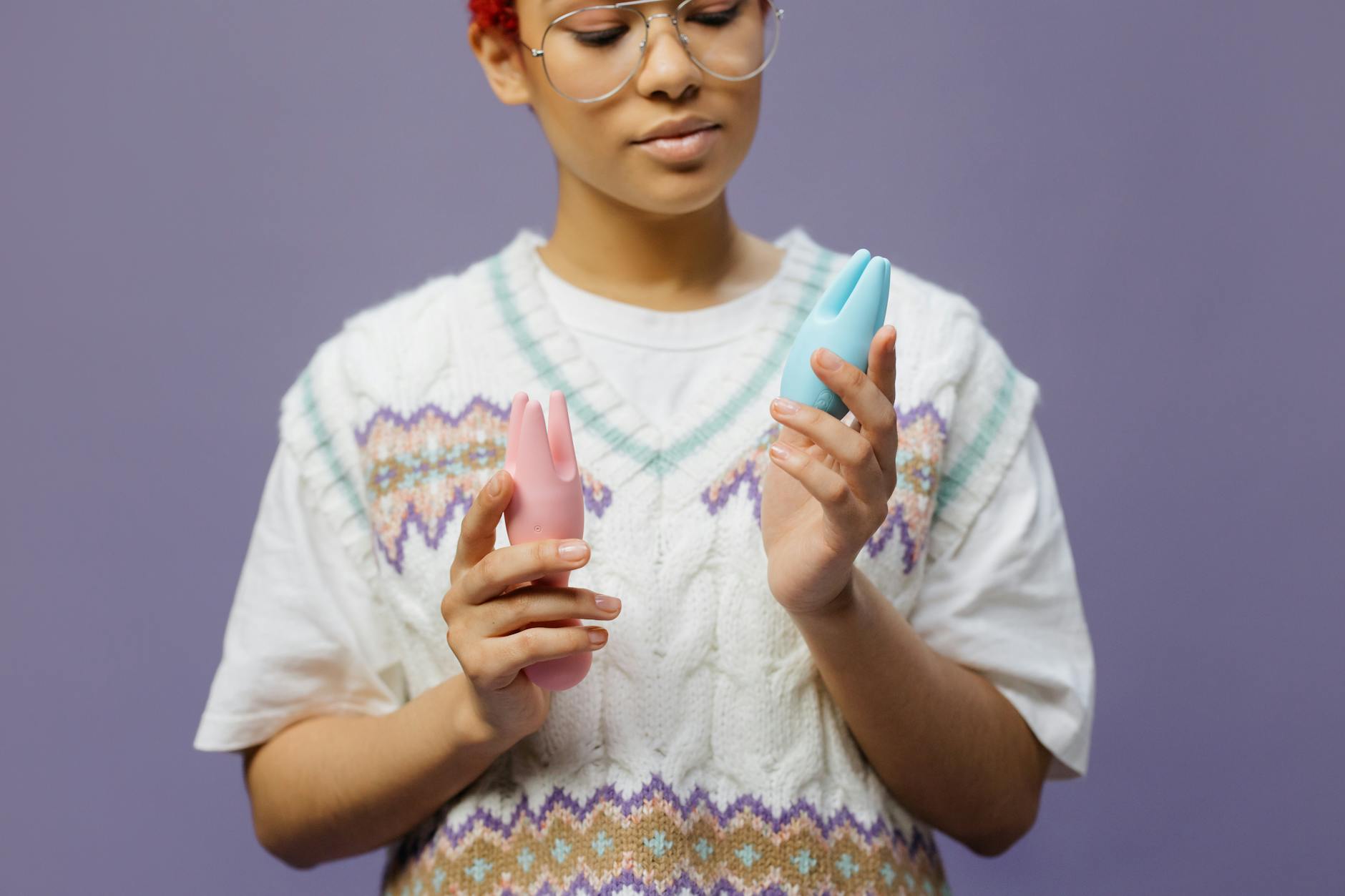
Lemon clitoral vibrators work differently than fingers or typical vibrators. The suction-based technology of devices like the Lem doesn't just vibrate at the clitoris. It creates a gentle pressure wave that stimulates the entire clitoral complex, including the internal branch that most people never directly touch. For someone on an SSRI, that broader stimulation pattern often works better than the direct, repetitive buzz of a traditional vibrator.
I've seen clients move from "I haven't had an orgasm in eight months" to "I actually felt something again" within a few sessions of trying lemon suction vibrators. The shift isn't because the toy is magic. It's because the stimulation pattern bypasses the flattened response and hits a nerve pathway that the medication hasn't muted.
Let me separate the strategies that work from the ones people usually try first and then abandon.
Longer warm-up time doesn't usually help. You can spend an hour on foreplay and still hit the same wall. The issue isn't arousal speed. It's the brain's capacity to translate arousal into climax. More time on the same pathway doesn't solve this.
Switching positions alone won't fix it. Some positions feel better than others, sure, but if the underlying signal is muted, position doesn't matter much.
What actually shifts the pattern: different stimulation. This might mean a lemon vibrator instead of your hand. It might mean a different device altogether. It might mean combining external stimulation with deeper breathing or a specific mental focus. The point is that you need to interrupt the old pathway and create a new one.
The most underrated factor: your prescriber doesn't need to be your only option. If you're on an SSRI and orgasm has become impossible, talk to your doctor about timing your dose (taking it at night instead of morning, so the peak is less sharp during the day) or about adjusting the medication type. Some people switch to bupropion or mirtazapine, which have different sexual side effect profiles. Others stay on their SSRI but add a low-dose dopamine support. These aren't emergency interventions. They're normal adjustments.
Here's what I recommend to clients rebuilding sexual response after antidepressants:
Start with solo exploration. You need to know what works for your body now, not under pressure to perform for a partner. Spend time with a lemon clitoral vibrator alone. Try different settings. Note what brings a shift. This takes the stakes off and lets you recalibrate without self-judgment.
Budget 20 to 30 minutes minimum. You're not rushing to an orgasm. You're retraining your nervous system. Pressure defeats the purpose. If you get to 30 minutes without climax, that's information, not failure. Your body is learning.
Use lube. Water-based, every time. The medication itself doesn't usually affect vaginal lubrication, but the flattened arousal can mean less natural wetness. Lube isn't a sign something's wrong. It's a tool that makes the sensation clearer.
Pay attention to what mental state works. Some people find that orgasm comes easier when they're not trying, when they're thinking about something that normally turns them on. Others need to focus intently. Others need a partner's voice or touch to anchor them. None of these are wrong. You're learning what your current wiring needs.
If you're partnered, this conversation matters early. "My medication is affecting my sexual response" is a statement of fact, not a complaint. It's not about your partner. It's not about attraction. It's about neurochemistry. I recommend framing it that way explicitly.
Then: invite them into the solution. Show them the tools that work. Explain that you might need different kinds of touch or stimulation. Ask them to stay curious instead of taking it personally. Most partners respond well when they understand it's not about them, and when they have a concrete way to participate.
One note: if your partner makes this about themselves, if they push back on tools like lemon vibrators because they feel threatened, that's a separate relationship conversation that might need a therapist's help.
Your brain has been on the medication long enough to form new neural patterns. Rebuilding orgasmic response takes time. Not because you're broken, but because you're essentially teaching your nervous system a new pathway. Some people see shifts in two to three weeks. Others take two to three months. Both are normal.
If you've been on antidepressants for a year without sexual response, you've also probably internalized some narrative about your body not working the way it should. That narrative will get in the way. You'll assume it's permanent. You'll stop trying. You'll believe your sexuality is dead. It's not. It's just asleep in a specific way that your current medication has created.
This is treatable. This is fixable. And it doesn't require you to choose between mental health and sexual pleasure.
No. Stopping an SSRI abruptly or even tapering too quickly can cause discontinuation syndrome, which feels terrible, and can trigger a return of depression or anxiety that's often worse than the original episode. If sexual side effects are severe, talk to your prescriber about adjusting the dose, timing, or medication type. Don't go rogue.
The Lem is designed specifically for suction-based stimulation, which works well for the kind of broader, pressure-wave sensation that tends to bypass SSRI-flattened arousal. Start there. If you want to explore other options, look for devices that offer variable intensity and pattern options, so you can experiment with what your current neurology responds to.
Maybe, maybe not. If you eventually taper off the medication, some sexual response typically returns. If you stay on it long-term, your body adapts and many people find new patterns of pleasure that work just as well as before. The goal isn't to return to baseline. It's to build something that works now.
Not necessarily. Sexual side effects from SSRIs are common, and they're often manageable with the right strategy. Before you switch, try: adjusting timing of your dose, using external tools like lemon vibrators, and talking to your prescriber about optional additions like bupropion that can counteract the sexual dampening. If you've tried those and sexual response remains impossible, then talking about switching is worth it.
The mechanism is similar (same neurochemistry at play), but the anatomy is different. External toys, timing adjustments, and prescriber conversations all still matter. For penile response specifically, sometimes topical treatments or additional medications like sildenafil are worth discussing with a doctor. The main point: it's a medication side effect, not a personal failure, and it's addressable.
With consistent practice using tools like lemon vibrators and a lube, some people feel a shift within two to three weeks. For others it takes longer, especially if they've been on the medication for years. The nervous system learns slowly. Patience is part of the treatment, not a sign it's not working.
Antidepressants have saved countless lives. If your medication is holding back your depression or anxiety, that's non-negotiable. Your mental health comes first. But that doesn't mean you have to accept a flat sexual life as the trade-off. Your pleasure matters too. It's not vain to want to rebuild it. It's not self-indulgent to use tools that help. You deserve both: a stable mood and a body that can feel good.
If you're navigating this right now and feeling isolated in it, you're not. Thousands of people taking SSRIs are rebuilding their sexual response using exactly this kind of approach. It's not instant. It's not magic. But it works, and you're worth the effort it takes to find what works for you. If you want to talk through the relationship side of any of this, or need more guidance on how to have this conversation with your prescriber or partner, I'm here to help.