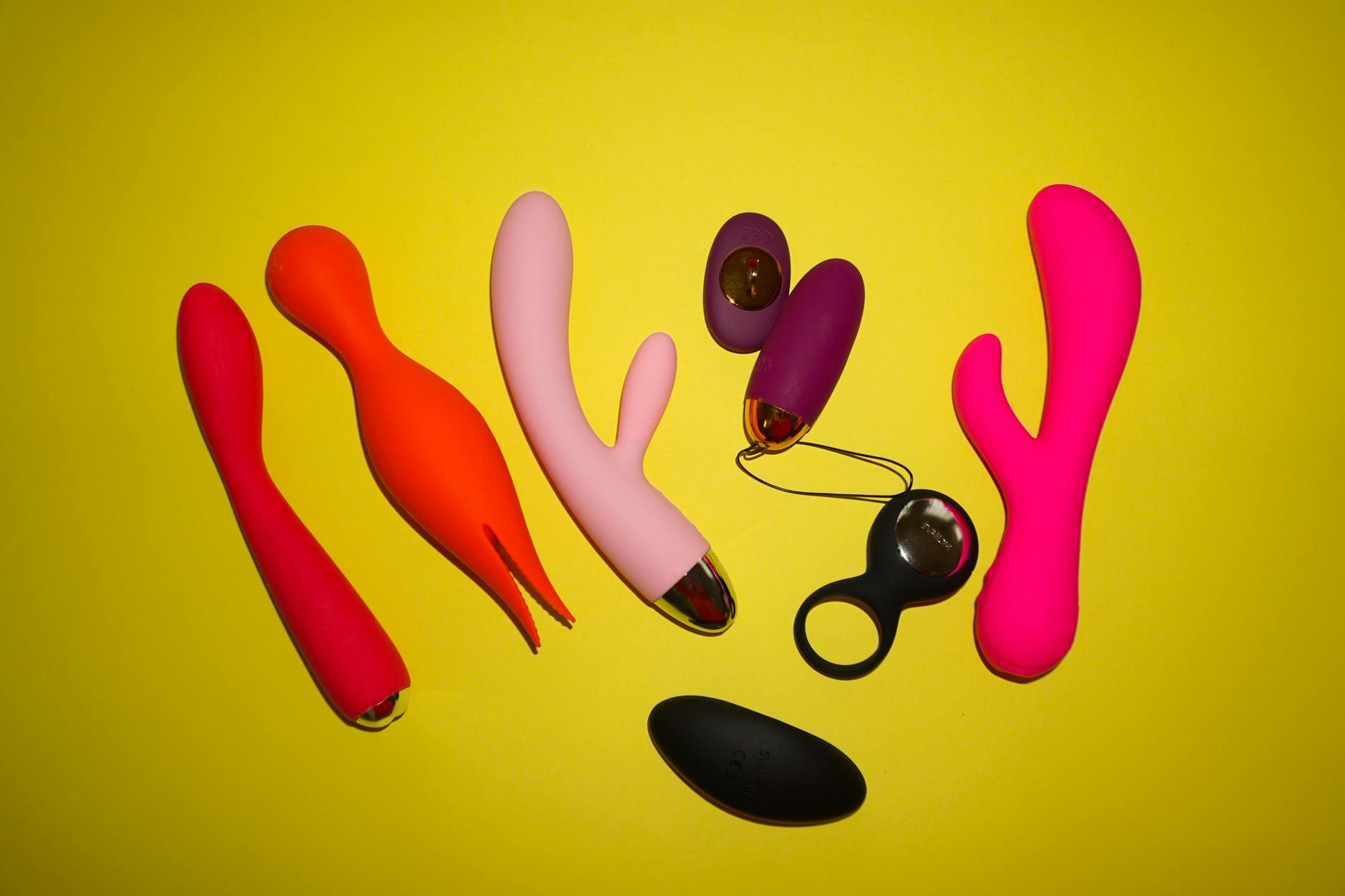
Here's the thing about numbness
You're not broken. Your clitoris isn't damaged. What's happened is that your nervous system has adapted to the stimulus it's been receiving, and that adaptation feels like nothing much at all. This is called habituation, and it happens to almost everyone who relies on the same vibration pattern for long enough.
The frustrating part: the device that used to send you over the edge now feels like a gentle hum. The scary part: you worry this is permanent. It's not. I've watched hundreds of clients recover full sensation within 2-4 weeks using the reset strategies below.
Why vibrator desensitization actually happens
Your clitoris has roughly 8,000 nerve endings concentrated in a space the size of a pea. When you use the same vibration frequency and intensity repeatedly, those nerves stop firing at the same threshold. It's the same reason your phone vibration in your pocket becomes background noise, or why a song you loved starts feeling flat.
This isn't unique to lemon vibrators or any single device. It happens with any repetitive stimulation at high intensity. But here's the crucial part: it's a sign your body is smart, not broken. Your nervous system is protecting itself from overstimulation.
One study from the Archives of Sexual Behavior found that about 40% of vibrator users experience some degree of reduced sensation over time. Most don't realize it's preventable and reversible.
The reset protocol: four weeks to sensation recovery
Week one: complete abstinence from vibration.
This feels counterintuitive when you're worried about numbness, but it's the foundation. Your nervous system needs to "forget" the intense input and reset to baseline sensitivity. For seven days, use only manual touch. Fingers, hands, your partner's touch. That's it.
You might feel frustrated. You might orgasm easily or not at all. Both are normal. Your body is recalibrating.
Weeks two and three: low-intensity reintroduction.
Bring back vibration, but at pattern 1 or 2 on whatever device you're using. If you have a lemon clitoral vibrator, this is the perfect time to use it on its gentlest setting. The suction-based stimulation of air-pulse devices like The Lemon Intimacy tools is particularly good for this phase because it feels different from traditional vibration. It won't recruit the same dulled nerve pathways.
Spend 15-20 minutes with low-intensity stimulation three times this week. The goal isn't orgasm. It's sensation. Notice what you feel. Where you feel it. Whether the feeling is starting to come back.
Week four: gradual intensity building.
If sensation has returned, you can slowly move up patterns. But here's the key: never go back to your old intensity. If you were using pattern 8, start building from pattern 4 or 5. Most people discover they're happier at mid-range intensity anyway. You get stronger sensation without the flatness that comes from maxing out.
Preventing re-numbness (once you've recovered)
Three rules that actually stick.
Rotate devices or stimulation types. If you love your lemon clitoral vibrator, don't use it every single time. Alternate with manual touch, with a different device, with different pressure and rhythm patterns. Variation keeps your nerves engaged and prevents habituation from building again.
Never use maximum intensity as your baseline. Intensity is a tool for specific moments, not a default setting. Most people find that medium patterns deliver more sensation and more reliable orgasms than the highest settings. Save high intensity for occasionally, like a spice, not a staple.
Build in vibration-free periods intentionally. Once a week, go without any device. This doesn't have to be boring. It's an invitation to slow down, pay attention, and rediscover manual stimulation. Your partner might enjoy being part of this too, which deepens intimacy in ways a toy can't.
Why The Lemon Intimacy approach helps specifically
Air-pulse lemon vibrators work differently from traditional vibration. Instead of rapid back-and-forth movement, they use gentle suction pulses that stimulate nerves without the same mechanical friction. This means they're less likely to cause habituation in the first place, and if desensitization has happened, they feel novel to your nervous system.
The Lem vibrator's graduated pressure settings make the reset protocol easier because you have clearly defined low, medium, and high options. You're not guessing whether you're at the right intensity. You know.
Many people who've experienced numbness with traditional vibrators find that switching to an air-pulse device like those from The Lemon Intimacy resets sensation faster because the stimulation pattern itself is different enough to "surprise" your nerves back to life.
The mental part matters as much as the physical
Desensitization carries shame for a lot of people. The internal story becomes "I've broken myself" or "I need harder and harder stimulation to feel anything," and that anxiety alone can interfere with sensation. Numbness becomes a source of tension instead of a puzzle to solve.
Here's what I tell clients: numbness is feedback. Your body is telling you something isn't working. Listen. The reset isn't punishment. It's an invitation to slow down and reconnect with sensation.
If you're partnered, let your partner know what's happening. Not as a confession, but as a plan. "I'm doing a sensitivity reset for the next few weeks. We're going back to hands, and then we'll reintroduce toys slowly." Most partners are relieved to have a roadmap instead of confusion.
When numbness points to something else
If you've done the reset protocol and sensation isn't returning after four weeks, or if numbness only happens with one specific partner or scenario, something else might be going on. Medication, stress, hormonal changes, relationship tension. These all suppress sensation independently of vibrator use.
That's when it's worth talking to someone. Not because anything's wrong with you, but because numbness is information, and sometimes the answer isn't in your technique. It's in your context.
The recovery timeline is shorter than you think
Most people feel significant sensation returning within 10-14 days. Full recovery usually takes 3-4 weeks. That's faster than you'd expect for something that felt permanent.
You're not stuck. You're not broken. You're in the middle of a reset that your body knows exactly how to do. The Lemon Intimacy devices are particularly good allies in this process because they offer alternatives to traditional vibration, which gives your nervous system new patterns to learn.
Stay consistent with the protocol. Notice what comes back. Plan differently going forward. Your pleasure isn't on a timer, and it's worth protecting from the flattening that happens when stimulation becomes predictable.
FAQ
Can numbness from vibrators be permanent?
No. Desensitization from vibrator use is always reversible. What feels like permanent numbness is actually your nervous system adapting to repetitive stimulation. Once you change the input, sensation returns. The timeline is usually 2-4 weeks, sometimes faster.
Is it bad to use lemon vibrators every day?
Not inherently. But using the same device at the same intensity every single day increases the risk of habituation. If you use vibrators daily, vary the device, the intensity, or the pattern. One day The Lem, one day manual touch, one day a different device. Rotation keeps sensation sharp.
How long should I wait between vibrator use during the reset?
During the first week, avoid vibration entirely. Weeks two and three, use low-intensity vibration 3-4 times per week with at least one day between sessions. This spacing helps your nervous system recalibrate without overwhelming it.
Do air-pulse vibrators like The Lemon Intimacy devices prevent numbness better than traditional vibrators?
Yes, generally. Air-pulse stimulation recruits different nerve pathways than rapid vibration, so it's less likely to cause habituation. And if you've already experienced numbness, switching to an air-pulse device can accelerate recovery because the stimulation pattern feels novel to your nervous system.
What if my partner's touch doesn't feel like enough during the reset?
That's common, especially if you've been relying on high-intensity vibration. Your nerves have been working hard, and now they're quieter. You might need longer warm-up time, more rhythm variation, or different types of touch. Talk about it. Experiment. The reset phase is actually a chance to deepen manual intimacy, not something to rush through.
Can medication cause clitoral numbness independent of vibrator use?
Absolutely. Antidepressants, antihistamines, blood pressure medications, and hormonal birth control can all suppress sensation. If numbness started around the same time you began a medication, that's worth discussing with your prescriber. There might be alternatives that don't carry the same side effect.
Moving forward
Clitoral numbness feels scary, but it's one of the most fixable intimacy challenges. The reset protocol works because it's based on how your nervous system actually learns and adapts. Consistency matters more than perfection.
Your sensation is worth protecting. That means being intentional about intensity, varying your approach, and building in regular breaks from vibration. It also means knowing when to reach out if something feels off.
Need to talk through your specific situation? Get in touch at /contact. Whether it's about lemon clitoral vibrator use, sensitivity recovery, or something else entirely, I'm here to help you sort it out.
Your pleasure matters. And it's more resilient than numbness makes it feel.