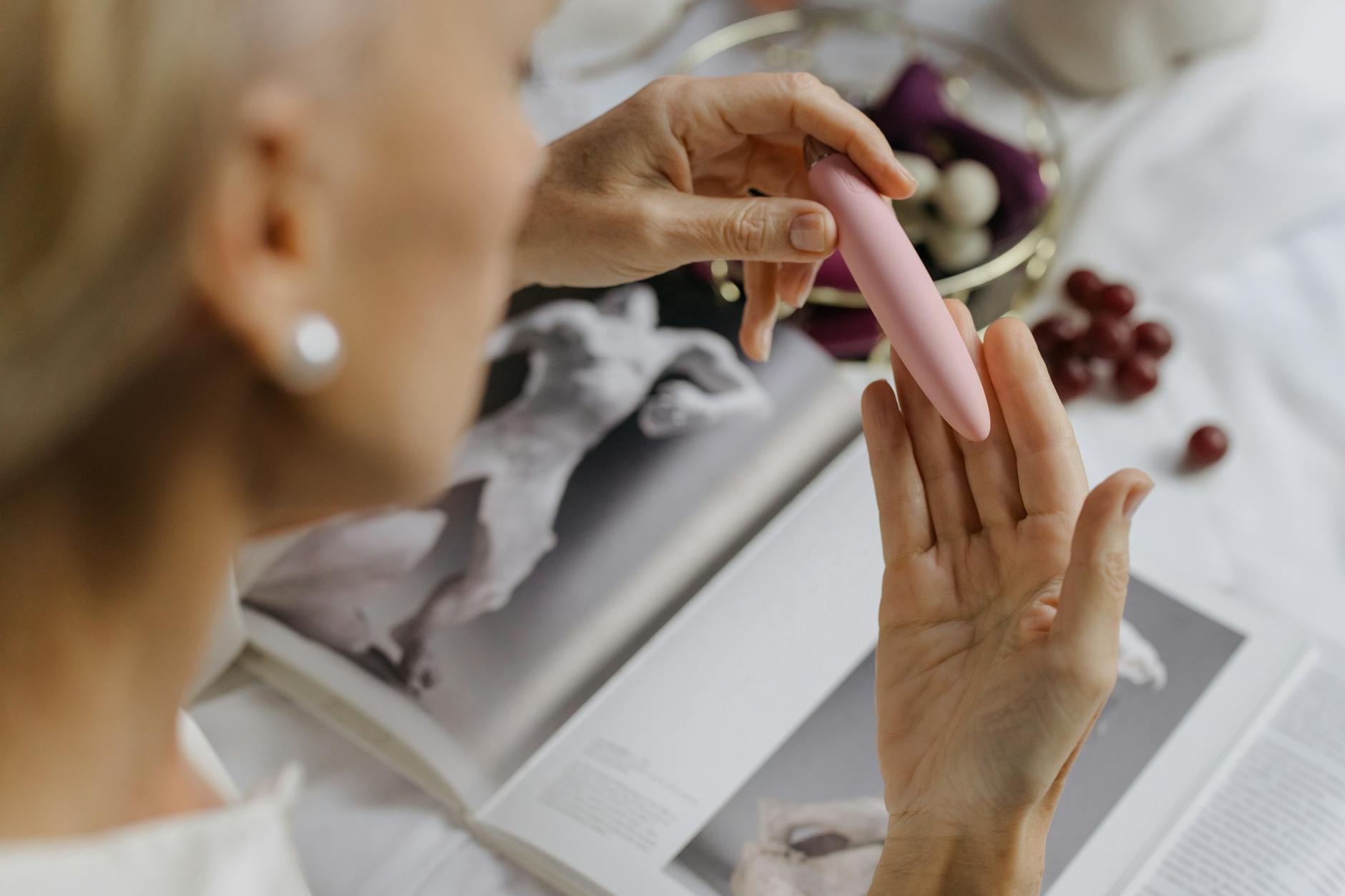
The myth of the marathon session
Let's be real. The idea that pleasure has to be long to be good is one of the worst myths we inherited. Extended sessions don't automatically equal better orgasms, deeper connection, or more satisfaction. In fact, they often produce the opposite: fatigue, numbness, frustration, and the creeping sense that something's wrong with you.
Nothing's wrong. Your body is just sending a signal.
When you use lemon vibrators or any clitoral vibrator for too long without breaks, two things happen physiologically. First, your tissue undergoes what's called "vibratory adaptation." The nerves literally stop responding to the same stimulus the way they did five minutes ago. Second, your muscles fatigue. The pelvic floor tenses, your hand gets sore, your brain runs out of dopamine. And then you're stuck chasing sensation that's already gone.
Here's what actually works: strategic pacing, intentional breaks, and understanding the difference between duration and satisfaction.
Why numbness creeps in with lemon vibrators
Clitoral tissue is incredibly sensitive. That's its job. But sensitivity comes with a ceiling. Continuous stimulation at the same intensity over time causes two specific responses.
First, mechanoreceptors in the clitoris adapt to consistent input. This is a protective mechanism. Your nervous system is essentially saying "I've registered this sensation, now I need something different to stay engaged." Think of it like how you stop noticing background noise after a few minutes, or how a constant smell disappears. It's not a dysfunction. It's your system working exactly as designed.
Second, sustained pressure reduces blood flow to the tissue. The clitoris needs oxygenation to maintain sensation. When you apply the same pressure continuously, you're literally starving the area of fresh blood, which compounds the numbness. This is why breaks aren't a failure. They're essential recovery.
When people say they experience numbness after extended use, they usually mean one of three things: reduced sensation, a muted orgasm, or the feeling that they're "chasing it" without reaching anything satisfying. All three are fixable with technique.
The pacing framework that actually works
I recommend thinking of extended sessions in three phases: buildup, variation, and recovery.
Phase One: Buildup (5-10 minutes). Start at intensity level 1 or 2 on your lemon clitoral vibrator. Don't jump to level 5 because you know that's where you usually finish. The goal here is arousal, not destination. Your body needs time to build blood flow, activate sensation, and prepare the tissue for sustained use. Too many people skip this because it feels "slow." It's not slow. It's foundational. A proper buildup means your tissue is primed, which means you'll actually feel more later, not less.
Phase Two: Variation (10-20 minutes). This is where most people mess up with lemon vibrators. They find an intensity that feels good and stay there for the entire session. Resist this. Instead, move between intensities every 2-3 minutes. Start at level 2, move to level 3, drop back to level 2. Shift positions slightly. Change your angle by 5 or 10 degrees. These micro-variations keep mechanoreceptors engaged without overwhelming them. Your nervous system stays interested because the input keeps changing.
This doesn't mean wild swings. You're not going from level 1 to level 5 and back. You're working in a narrower range, say 2-4, and moving deliberately within it. The variation itself prevents adaptation.
Phase Three: Recovery (5-10 minutes). After variation, you'll often find that a slightly higher intensity feels fresh again. This is when many people finish. But here's the key: plan for 2-3 minute rest periods during this phase too. Step back, breathe, let sensation reset. A 30-second pause where you remove the toy entirely can feel like someone turned up the intensity by a full level when you come back to it.
Hands, positioning, and fatigue prevention
Half of extended-session numbness isn't actually in your clitoris. It's in your hands, wrist, and forearm.
If you're gripping a lemon vibrator for 20+ minutes, you're creating tension that radiates up your arm and into your chest and shoulders. This tension constricts blood vessels, which reduces sensation everywhere. Your hand gets tired. Your wrist locks. And you interpret that as clitoral numbness when it's actually circulation fatigue.
Here's what helps. First, use a light grip. The toy should rest in your hand, not be gripped. You're guiding it, not wrestling it. Second, switch hands. If you've been using your right hand for 7-8 minutes, switch to your left. Even if you're less coordinated with your non-dominant hand, the change in muscle engagement and nerve pressure makes a real difference in sensation.
Third, find positions that don't require active arm work. Lying on your back with pillows supporting your arm so you're not holding the weight of the toy. Sitting with the toy against your body and moving your hips slightly instead of your arm. These small positioning shifts mean your hand stays fresh, blood flow stays consistent, and you can actually sustain pleasure without pain.
Fourth, take actual breaks. Put the toy down for 60-90 seconds. Stretch your hand. Shake it out. Change positions entirely. These aren't failures or distractions. They're maintenance.
Why intensity creep sabotages longer sessions
Here's a pattern I see constantly with lemon clitoral vibrator use over extended time.
Someone starts at level 3. After five minutes, it feels less intense, so they bump to level 4. A few minutes later, level 4 feels muted, so they move to level 5. Then they're maxed out, nothing feels like anything, and they're exhausted. What actually happened is that intensity creep masked the adaptation problem, and now they've used up all their tools.
If you start planning to go longer, commit to your intensity range from the beginning. Decide "today I'm working in levels 2-4" and stick to it. When level 4 feels soft, don't jump to 5. Instead, drop back to level 2 for 60 seconds, then return to level 3. Your nervous system resets, and level 3 suddenly feels significantly more intense again.
This is counterintuitive. It feels like you should just keep climbing. But the physiology works the other way. Intensity variation beats intensity escalation every single time for extended sessions with any clitoral vibrator, including lemon suckers.
The recovery protocol between sessions
What you do after matters as much as what you do during.
If you're planning multiple extended sessions in a week, you need intentional recovery time. This doesn't mean weeks off. It means 24-48 hours between longer sessions. On "off" days, clitoral tissue receives more blood flow, sensation fully resets, and adaptation clears. When you return, everything feels fresh again.
During recovery time, avoid other forms of sustained clitoral stimulation. That includes penetrative sex with vigorous rhythm, aggressive masturbation patterns, or even extended foreplay that mimics your extended session intensity. You're essentially asking your nervous system to recover from stimulation while continuing to provide stimulation. It can't.
Also: hydration and sleep matter more than people realize. A dehydrated nervous system is more prone to adaptation and less able to sustain sensation. Poor sleep tanks dopamine levels, which makes pleasure feel more distant regardless of physical technique. These aren't fringe factors. They're part of the foundation.
When numbness signals something else
Technical pacing helps most people. But sometimes extended-session numbness points to something different.
If you're numbering quickly even with perfect pacing, hormonal shifts might be the culprit. Birth control changes, cycle phase, or perimenopause can all alter clitoral sensitivity acutely. That's worth noting and possibly discussing with a provider, but it's not a tech problem.
If numbness happens alongside pain, decreased sensation during partnered sex, or any noticeable change in baseline sensation, consider talking to a gynecologist. Conditions like genitourinary syndrome can affect sensation in ways that aren't solved by pacing alone.
And if you notice numbness only with lemon vibrators specifically but not with hands or other toys, the issue might be pressure or angle. Some vibrators apply pressure differently. Experimenting with angle, pressure level, and even toy choice can make a dramatic difference.
But most of the time, when people extend sessions thoughtfully using the pacing framework above, numbness disappears entirely. The pleasure deepens. And the session length stops mattering because the quality is there.
Frequently asked questions
How long is too long for a lemon vibrator session?
There's no universal answer, but for most people, 20-30 minutes is a natural ceiling where pleasure starts to diminish unless you're using serious variation. Some people max out at 15 minutes. Others can go longer with excellent pacing. The test is simple: if you're getting numb, chasing sensation, or feeling frustrated, you've gone too long. Shorten your next session and use better pacing.
Can I use my lemon clitoral vibrator every day for extended sessions?
Not sustainably. Extended sessions daily will build tolerance quickly and increase numbness risk. The ideal pattern is 2-3 extended sessions per week with recovery days in between. On other days, shorter sessions are fine. Your tissue needs that variation to stay responsive.
Should I take breaks during a session or just stop when I feel numbness?
Take planned breaks before numbness arrives. Don't wait for the warning sign. Build breaks into your rhythm from the start: 2-3 minutes of stimulation, 30-60 seconds of rest or position change. This prevents numbness instead of trying to recover from it.
Does lube help with extended lemon vibrator sessions?
Not directly for sensation, but it helps with comfort. Water-based lube reduces friction between the toy and your tissue, which means less irritation over long sessions. That's worth doing, even though it won't directly prevent adaptation.
Why does my lemon sucker work better after I've taken a break?
Because your mechanoreceptors reset. A break of even 30 seconds allows your nervous system to stop adapting to the constant input and return to a baseline state of responsiveness. This is why variation works: you're essentially creating mini-resets throughout your session.
Is extended pleasure only about technique, or is it partly mindset?
Both. Pressure to have longer sessions, anxiety about taking too long, or frustration with your body creates nervous system tension that literally impairs sensation. When you're returning to pleasure after a long break, this mindset piece becomes even more important. Release the timeline. Focus on sensation in the moment. Ironically, this mindset shift often produces naturally longer sessions because you're not exhausting yourself chasing a goal.
The actual path to extended pleasure
Longer sessions aren't about duration. They're about sustaining sensation, maintaining engagement, and respecting your body's signals. The framework here works because it works with your neurology instead of against it.
Start with shorter sessions using the pacing method. You'll notice sensations you've been missing. Pleasure will feel sharper, more present, more interesting. Then you can gradually extend, knowing the foundation is solid. Your lemon vibrators or any clitoral vibrator will feel more responsive, not less. And when you finish, you'll feel satisfied, not numb.
If you're struggling with technique or want personalized guidance on building sustainable pleasure practices, reach out. There's no shame in working through this with support.
Your pleasure is worth the attention. The right approach just makes it easier.