
Let's talk about the side effect nobody warns you about
You start a new medication. Your mood lifts, your blood pressure stabilizes, your anxiety eases. And then somewhere around week two or three, you notice something's off. Arousal feels distant. Orgasms take forever, or don't arrive at all. Touch that used to light you up feels like touching a stranger's arm. Welcome to medication-induced sexual dysfunction, which affects somewhere between 40 and 60 percent of people taking SSRIs alone—and honestly? Most of us find out about it the hard way, not from our doctor.
Here's what matters: this is real, it's incredibly common, and it's fixable. More importantly, your pleasure doesn't have to go on pause while you're managing your health.
Which medications actually kill sensation
SSRIs and SNRIs top the list. Sertraline, fluoxetine, venlafaxine—these are some of the most prescribed antidepressants in the world, and sexual side effects are baked in. They work by increasing serotonin availability in the brain, which is great for depression and anxiety, but serotonin also plays a gate-keeping role in arousal and orgasm. Crank up serotonin, and that gate closes.
But it's not just psychiatric meds. Blood pressure medications like beta-blockers and ACE inhibitors mess with blood flow and nerve sensitivity. Hormonal birth control, especially high-dose progestins, can tank desire and clitoral sensation. Some antihistamines, tricyclic antidepressants, and even certain diabetes meds blur the edges of what you can feel.
The weirdest part? Your doctor might not bring it up first. Ask, though, and most will admit: yes, this is a known issue, and yes, we have some options.
Why sensation specifically flattens out
Arousal is a chain reaction. Your brain has to send signals. Blood has to flow to your genitals, engorging the clitoris and vulva with sensation. Nerves have to fire at the right pace and intensity. SSRIs slow that cascade down by dampening the neurotransmitters that light the fuse. Beta-blockers reduce blood flow, which means less engorgement, which means less feeling. Birth control that's too strong in progestin basically whispers "sleep" to your whole system.
The result: you can be fully aroused mentally and feel almost nothing physically. It's bizarre and frustrating. And it's absolutely not a reflection of how much you want your partner or how attracted you are to them.
How clitoral vibrators work when numbness sets in
Here's where lemon clitoral vibrators come in. They're not a workaround. They're a tool that compensates for what medication has temporarily altered.
When sensation is muted, directness matters. Vibration bypasses some of the serotonin-gated pathways and activates your clitoral nerves through pure mechanical stimulation. A suction-based clitoral vibrator like the Lem works particularly well because it creates a seal around the clitoris and uses gentle air-pulse technology rather than direct vibration. That means you get consistent, layered stimulation without needing the kind of sensitivity that medication has turned down.
The key difference: vibrators don't require your body to cooperate. They create stimulus regardless of what your medication is doing to your arousal signaling.
Four specific ways to use clitoral vibrators during medication transitions
Start with extended warm-up. When sensation is muted, jumping straight to a vibrator won't work the way it used to. Spend 10-15 minutes on manual touch, breathing, or watching something that works for you. Let your brain catch up before the vibrator enters. This builds some baseline arousal, even if it feels subtle.
Begin at the lowest setting, always. The temptation is to crank the intensity to feel something. Resist it. Numbness makes you want more, but it can also mean your clitoris is actually more sensitive than you think—you're just not perceiving it. Start at pattern 1 or 2 on the Lem and stay there for a full five minutes. Your body might surprise you.
Use it as part of partnered sex, not instead of it. If you have a partner, incorporating a clitoral vibrator into shared intimacy keeps you connected while the vibrator handles the sensory heavy lifting. Your partner gets to be present, and you get the stimulation medication has muted. Everyone wins.
Track the pattern. Notice which vibration patterns, which pressure points, and which times of day yield the best response. Medication effects on sensation can shift slightly week to week as your body adjusts. What didn't work last Tuesday might work Friday. Document what works so you're not starting from scratch every time.
The conversation to have with your doctor
If sexual numbness is new and tied to a medication you've just started, bring it up. Actually bring it up. Say "This medication is helping my (depression/anxiety/blood pressure), but I've noticed I'm not feeling pleasure the way I used to. What are my options?"
Your doctor might suggest:
Waiting it out. Some people adapt after 6-12 weeks as their body adjusts.
Dosage tweaks. A lower dose sometimes preserves more sensation while still managing symptoms.
Switching medications. Not all SSRIs affect sexuality equally. Bupropion, for example, has a lower rate of sexual side effects than sertraline.
Adding something. Some docs prescribe low-dose sildenafil or buspirone to counteract SSRI sexual side effects.
Combining all of the above with a clitoral vibrator as part of your pleasure toolkit. That's the piece doctors often forget to mention, but it genuinely changes the game.
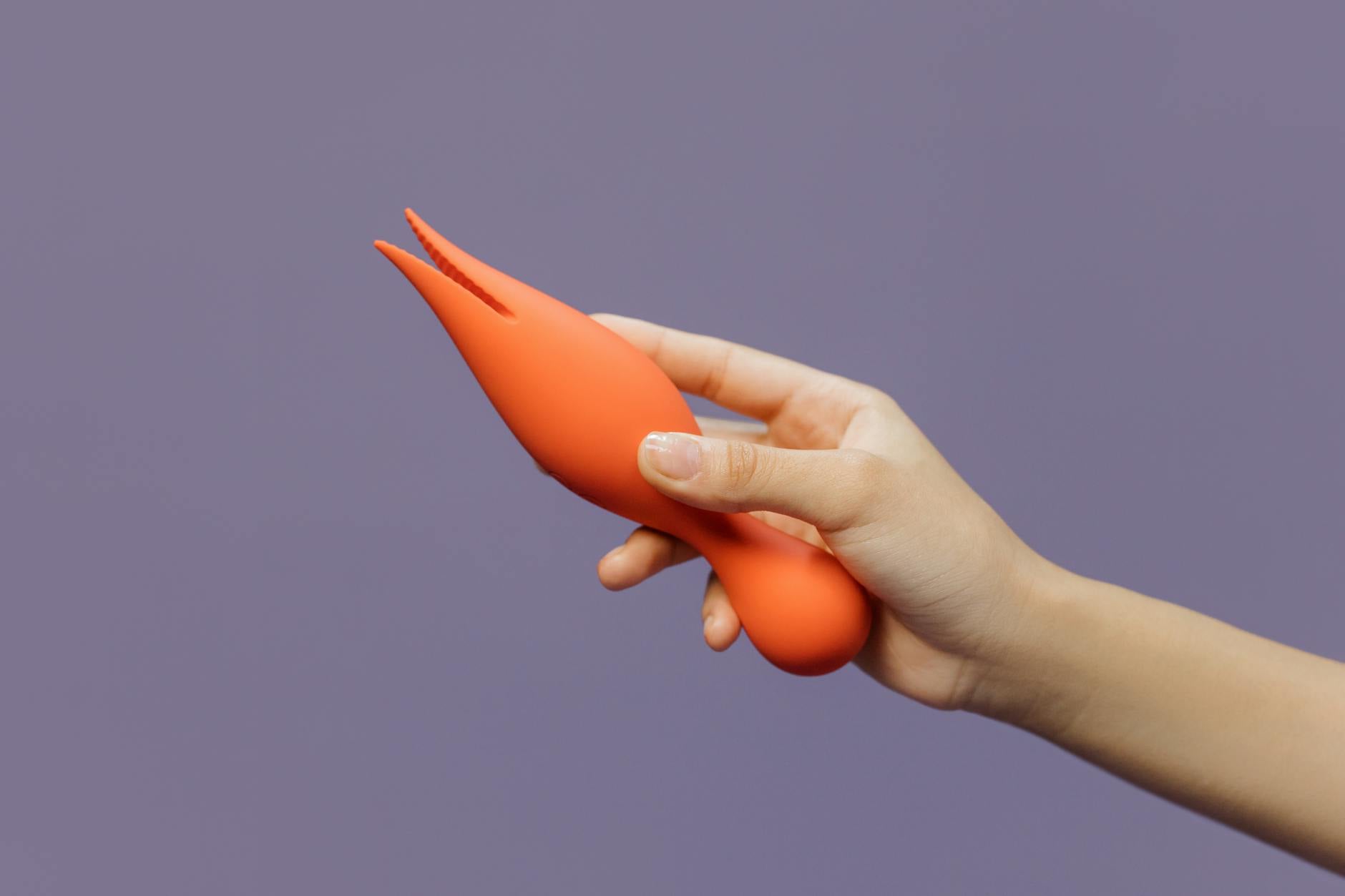
Photo by cottonbro studio on Pexels
Medication numbness vs. other reasons sensation flattens
Before you assume your medication is the culprit, rule out other causes. Are you stressed? Disconnected from your partner? Going through a life transition? All of those flatten sensation too, and they look identical to medication side effects on the surface.
The way to tell: medication-related numbness usually hits suddenly, correlates with when you started or changed a dose, and affects sensation even when you're alone and fully relaxed. Stress-related numbness is usually context-dependent—it shows up during partnered sex but not solo, or it gets worse when you're anxious about your body or the relationship.
That said, the two aren't mutually exclusive. You can be on an SSRI that's flattening sensation AND be stressed about a relationship issue. Both are real, and both matter.
Why patience matters more than you think
Medication-induced sexual dysfunction sometimes resolves on its own as your body adapts, usually within the first few months. Sometimes it doesn't, and you need a different medication or a dosage change. Sometimes you decide the mental health benefit is worth the sexual trade-off, and you get intentional about maintaining pleasure through tools like lemon clitoral vibrators and open communication with your partner.
None of those outcomes are failures. You're not broken. Your medication isn't broken. The system just needs recalibration, and that takes time.
What shouldn't happen: sitting in silence and assuming this is permanent. It's not. And you deserve to feel good in all the ways that matter to you.
FAQ
Can I use a clitoral vibrator if I'm on an SSRI?
Absolutely. SSRIs affect arousal signaling, but they don't make vibrators unsafe or ineffective. In fact, many people on SSRIs find that lemon clitoral vibrators help them reconnect with sensation that medication has muted. If anything, a clitoral vibrator like the Lem can become a bridge back to pleasure while you and your doctor figure out the right medication balance.
How long does medication-related numbness usually last?
It depends on the medication and your body. Some people adapt within 4-8 weeks as their system gets used to the drug. Others experience persistent side effects and need to switch medications or adjust dosages. If it's been more than three months and sensation hasn't improved, definitely revisit this with your doctor—there are solutions, including medication alternatives that have lower sexual side effect profiles.
Does switching medications make sensation come back immediately?
Not always, and not immediately. If you switch to a medication with a lower incidence of sexual side effects, it can take a few weeks for your body to recalibrate. In the meantime, clitoral vibrators can help you maintain some connection to pleasure. Once sensation does return, you might find you don't need the vibrator as much—or you might find you love it and keep using it anyway. Both are totally normal.
Is it normal to need higher intensity settings when I'm on medication that dulls sensation?
Yes, but be careful not to compound the problem. Higher intensity can feel necessary because sensation is muted, but pushing too hard can actually create temporary numbness in the clitoris itself (separate from medication effects). Stick with moderate settings and give your body time to respond. Sometimes sensation catches up slowly, and what felt like nothing at setting 2 suddenly opens up after sustained use.
Can my partner help me reconnect with sensation if medication has numbed me?
Completely. In fact, partnered touch often works better than solo play when medication has flattened sensation, because there's more variety in pressure, temperature, and rhythm than you can create alone. Incorporating a clitoral vibrator into partnered sex—with your partner involved, not just you using it solo—can help you both stay connected while medication adjusts your nervous system. Communication is key: tell your partner what you're feeling (or not feeling) and what helps.
What if numbness persists even after switching medications?
It's rare, but it happens. Some people are sensitive to sexual side effects across multiple medication classes. If that's you, talk to your doctor about lower doses, medication combinations, or adding something like sildenafil to counteract the effect. And absolutely lean on how to use lemon vibrators when sensation returns after hormonal changes for strategies on rebuilding sensitivity once you find the right medication balance.
The real takeaway
Medication is supposed to help your life get better, not make you numb in ways that hurt. If a medication is flattening your sensation, you have agency here. Talk to your doctor. Explore alternatives. Use tools like lemon clitoral vibrators to stay connected to pleasure while your body adjusts. Most importantly, know that this isn't forever, and it's not a reflection of your capacity for desire—it's a side effect of a drug designed to help you.
Your wellbeing matters. All of it.
Sources
- Clayton, A. H. (2018). "Antidepressants and Sexual Function: Mechanisms and Clinical Implications." The Primary Care Companion for CNS Disorders, 20(3), 18m02347.
- Wehby, J. H., & Desai, A. V. (2017). "Sexual Dysfunction and Antidepressants." The Journal of the American Board of Family Medicine, 30(5), 549-560.
- Kennedy, S. H., Rizvi, S., & Fulton, K. (2009). "Sexual dysfunction, antidepressants, and other drugs." The Journal of Clinical Psychiatry, 70(3), e07.
- Montejo, A. L., Majadas, S., Rico-Villademoros, F., et al. (2010). "Frequency of sexual dysfunction in patients treated with antipsychotics and antidepressants." Journal of Clinical Psychiatry, 71(4), 430-440.